Diet in Summer

Grishma Rutu diet

“Doctor, you are telling me to eat curd?”, asked a surprised and curious Sameer who was sitting in front of me. This is because people have a false belief that Ayurvedic doctors do not recommend Curd, which is their favorite food. Hence, he was surprised when the I told him to eat curd. Curd need not be completely stopped or avoided at all times. Especially during the Summer Rutucharyaa, curd is definitely considered acceptable. 

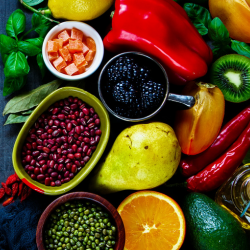
Sour and fatty foods like Curd enhance our taste and appetite. It also decreases dryness. Therefore, Curd or Curd with sugar should be consumed. Like curd, Muramba can also be consumed. Kokum Saar and Tomato soup are very beneficial in this season. Tomato sauce can also be included in this period. Regular intake of sour and sweet tasting buttermilk is advised in this season.

During this season, nature also fulfils the need for sour fruits like Karavand(berry), raw Mango and Kokam. We can prepare savory dishes like raw Mango pickle or Kayras. Just consuming raw Mango with salt is beneficial. Kokum Sharbat is the most commonly consumed drink in this season. In this period, we get useful fruits like Lemon and Amla. We should consume Lemon pickle and Lemon juice. Amla, in the form of Moravala is very beneficial. As Amla is considered to be very cool, we should always keep Amla juice at home. In this season, consuming foods like raw Mango, Lemon or other such pickles provides lots of benefits to our body as they are sour and salty. We can consume mix-veg pickles made from vegetables like cauliflower and carrot.

During the summer, we should include leafy vegetables like Chakwat, Spinach, Chuka, Maath, Tandulja and Rajgira. We should also consume vegetables like Potato, Elephant foot yam(Suran), Beetroot, Sweet Potato and Carrots. Vegetables like Okra, Snakegourd(Padval), Ridge gourd(Dodka), Ghosali, Tondli, Cabbage and CaulIflower should also be included in our diet. 

We must try to avoid foods made from Lentils(Dal).This is because all types of Lentils(Dal) increase dryness in the body. If you must, it is preferable to use Moong dal as it is relatively less dry. It also has a cool property which is beneficial in Summer.

In the summer months, we must use slightly more oil than usual as this reduces dryness in the body. As we have already seen, pure ghee is very useful for this purpose. During Grishma Rutu, our digestive power is reduced. Therefore, it is better to avoid non vegetarian food as it is heavy to digest. If you still want to eat non-vegetarian food, you can consume Fish, Chicken and Crab in less quantities. It is better to have Mutton or Chicken in soup form rather than meat.

During the Grishma Rutu, ‘Onion’ is a very useful food for maintaining good health. Since it has a cooling property, it should be included in our diet. It is beneficial to eat just Onion or in the roasted form. There is also no harm in cooking onions along with our daily food. We can include tasty Onion koshimbir(onion salad with curd) frequently in our diet. Like all these food items in our diet, another important aspect in summer is ‘liquid’! In our article ‘Summer beverages’, we have already discussed this and the foods that should be avoided during this season. 

Dr Mayuresh Aagte
1

Summer Beverages

During the summer, we constantly feel thirsty. Naturally, we feel like drinking something to satisfy this thirst. In such times, the main requirement is ‘water’. In this season we feel like drinking cold water. It is better to use water stored in earthen pots. We also use water stored in the fridge. However, we should keep in mind that this water is heavier to digest than the water stored in earthen pots. We can drink water that is cooled using ice cubes. Putting Khas(Wala in Marathi) in water increases its coolness. Like Khas, putting Sandalwood, fragrant flowers(clean and chemical free) such as Rose, Mogra(Jasmine), Jai,Jui and Parijatak(night jasmine) is also very beneficial.

One of the important things to keep in mind  is that in case of using water from wells and lakes, we must boil it before using. This is because such water is more likely to be contaminated during summer. It is better to use packed water of good quality.

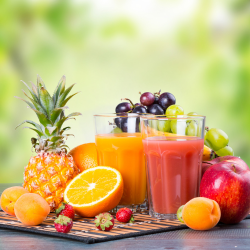
Like water, we can use different drinks to quench our thirst. We should frequently consume drinks or Sharbat such as Panhe(raw Mango Sharbat), Khas,Kokum,Lemon, fresh Neera, Lassi and Tender coconut water. Sugarcane juice that is available in this season is also very good. If we add ginger or lemon to sugarcane juice, it not only makes it tasty but also easy to digest. Before drinking these beverages outside, we should make sure that they are of good quality and prepared in a clean and hygienic environment.

We should consume plenty of juices from various fruits. There is no harm in consuming fruits like watermelon, muskmelon, grapes, custard apple(Sitaphal), Ramphal, Pomegranate and Banana, directly or in juice form. We should include various Jams and Jelly of fruits in our diet. It is also advised to consume squashes of different fruits.

Just thinking about ‘Mango’ makes the entire summer more bearable and even comfortable. It is as if nature has compensated for all the troubles of summer in the form of this king of fruit. In this season, having Mango or Aamras is a joyful feast. We can include Mango in the form of Mango Roti, Mango Barfi and Amrakhand. Compared to other fruits, Mango has a special  property according to Ayurveda. In Ayurveda, consuming Shikran(banana mixed with milk), fruit salad, and fruit with milk is not allowed. Consuming such foods for a long time can cause various skin diseases. However, Mango is an exception to this. There is no harm in consuming Mango with milk. Therefore, during this time, various dishes like Mango Mastani and Mango Kulfi should be enjoyed to the fullest. There are many varieties of Mango such as Hapus(Alphonso), Payri, etc. All varieties of mangoes can be consumed. In particular, the Hapus Mango is more nutritious. Ice creams, Kulfi and Mastani-like drinks that cool the body can also be taken during this time.

As we recommend the food that can be consumed in this season, we also recommend those that should be avoided. We should avoid dry foods such as Bread, Fenugreek, Drumsticks and Dill as they increase heat in the body and therefore should be completely avoided. Vegetables like bitter gourd increase dryness and reduce strength in the body. Foods made from lentils also have the same effect on the body. Therefore, we should not include all these foods in our diet. Spices like Asafoetida, Mustard seeds, Cinnamon and Ajwain(Owa) are very hot and should be used in less quantities. Another food to avoid is ‘Garlic’. We should be careful while using Chilies, hot spices and red Chili powder. Dry or roasted meat is harmful in this season. We should strictly avoid stale food, fermented food like Idli, dosa, bread and fried food like Bhaji and Batate vada.

Dr Mayuresh Aagte

1

Grishma Rutu

Grishma Rutu

After celebrating the new year with great enthusiasm on Gudhipadwa, the month of Chaitra starts. The next two months are a very difficult period for the whole of India as we experience summer in this period. As India is a tropical country, the intensity of summer is more here. In addition to this, in the last few years, due to deforestation and pollution, the summer has become hotter than ever before. Therefore, in this approaching summer, we have to face the fire-burning, scorching heat of the sun. This season is called Grishma Rutu. Ideally, Grishma Rutu is expected to start in the month of Vaishakh. However, now a days this blazing summer starts earlier, from the month of Chaitra.

The intense heat of the sun in Grishma Rutu heats up the entire nature. It makes lakes, ponds, and streams shrink and rivers dry up. We experience an increase in dryness in nature. The same effect is felt in our bodies. Naturally, the water content in the body also decreases and the dryness starts to increase. As the heat in the environment increases, it also increases our body heat. This unbearable heat causes constant sweating. Due to this sweat, the water level in the body is further reduced.

In winter, we don’t experience sweating, and therefore, the heat in the body is trapped. This increases the digestive power in the body. In summer, it is the exact opposite. Constant sweating removes the heat from the body which has an adverse impact on the digestive power. Naturally, the digestive power is reduced in this season. The strength of the body also goes down due to the heat in the environment. Hence, we feel tired and weak even when we are not working hard. As the dryness in the body increases, the Vaat dosha starts accumulating. Therefore, our diet in this season needs to be determined, considering various factors such as increasing heat, reduced digestive power, reduced strength, and accumulation of Vaat dosha.

Considering all this, our diet should be easy to digest. We can include wheat roti, rice, Bhakari(Jowar roti) in our diet. There is no harm in using Red rice, Sathesali rice. We can use Jowar or Ragi(Nachani)  for making Bhakari. Bajra is considered hot and dry and is therefore better avoided. We can use wheat for making chapati. Like chapati, we should consume Fulka made of wheat in this season.

In summer, spicy, bitter and Turat(Taste of Amla is turat) foods should be consumed in less quantity, as these foods increase dryness and accumulation of Vaat dosha in our body. Instead, we should consume more sweet, salty and sour foods. These foods reduce Vaat dosha accumulation. Loss of strength in our body due to the summer heat can be avoided by consuming sweet foods. They also help to reduce the heat in the body. Considering this, instead of regular roti we can eat sugar roti, Sheera roti(roti stuffed with Suji halwa). We can consume rice dishes like sugar-rice, Kashmiri pulao. In our diet, we can consume foods made of milk and dishes prepared using milk or khoya like Barfi, Shrikhand and Basundi. However, these should be consumed in less quantity as the digestive power is weak in this season. By doing so, we can reduce the additional load on the digestive system. It is beneficial to include Kheer or Sheerkurma made from Vermicelli(Semiya), wheat, Suji. We can consume milk with sugar or masala milk(milk with dry fruits). Like milk, pure ghee also helps to reduce the dryness in our body. Hence, we should use pure ghee or ghee with jaggery. Pure ghee increases the digestive power and gives strength to the entire body. It also helps to reduce the heat and Vaat dosha in our body. We can include two to four spoons of pure ghee, butter as well as cream with sugar in our meals.

Dr Mayuresh Aagte

Please Note: The recommended diet takes Ayurveda into consideration. Individuals with any form of illness should seek medical advice before adopting the diet.

Gudhipadwa

Gudi Padwa

After getting drenched in various colors of Rang Panchami, we look forward to welcoming the New Year! According to Indian tradition, the first day of the new year is Chaitra Shuddha Pratipada i.e. ‘Gudhi Padwa’! On this day, we welcome the sun on the first day of the year in the form of Gudhi . We wake up early in the morning and celebrate the first day of the new year by hoisting a Gudhi tied to Neem leaves and Gathi(sugar crystal garland). The sweet food made at home adds joy to the celebration on this auspicious day of Padwa!

We have been following this tradition of Gudhi Padwa for centuries. One can observe that there is a huge difference in the way we welcome the new year as opposed to how the rest of the world does. Why doesn’t our culture celebrate the new year on December 31st, just like many others do? Traditionally, we never welcome anyone with bitter food. Then why do we use Neem, which is bitter in taste, and Gathi (sugar crystals) to welcome the sun, on which nature’s cycle depends? Such food is not prepared on any other festivals. Then why have we been doing this for hundreds of years on the first day of Gudhi Padwa? Our search for answers to these questions led us to discovering them in Ayurveda.

The tradition of Gudhi Padwa was created keeping our health in mind. Only if our bodies are healthy, we can celebrate the new year happily. To give our year a healthy and disease-free start, foods such as Neem leaves and Gathi are used. On the occasion of ‘Gudhi Padwa’, let’s explore the science behind this tradition.

By this Pratipada in Chaitra, it has been a long time since the uttarayan(Summer solstice) of the sun has started. Naturally, we now feel the intensity of heat. During the next two-and-a-half months, this intensity goes up. Our body, being a part of nature, also gets affected by this heat. Our body heat increases with the heat in the atmosphere. This leads to multiple problems like feeling hot, heat rashes or skin rashes. The increasing heat can affect(spoil) our blood as well. It can cause problems like pimples, blisters, bleeding from nose. Our appetite goes down in summer. The best solution to all these issues is ‘Kadunimb’(Neem).

Since bitter-tasting Neem has a cooling quality, it is a great medicine for all heat related diseases. Therefore, it should be used during the summer months of Chaitra and Vaishakh. Neem powder reduces the heat of the body. Since it is a good blood purifier, it reduces blisters on the skin. It also reduces irritation caused by prickly heat. Similarly, it is also useful in problems like itchy skin. If heat causes bleeding from the body, it has the power to stop it immediately. Neem also has a good effect on the liver. It improves the function of the liver as well as increases appetite which is naturally reduced during this season. It is useful for reducing burning sensation in stomach and acidity. 

In summer, many a times we experience stomach upset/indigestion . We especially experience more when we eat outside food. Neem is helpful with such problems. Hence, ‘Kadunimb’ is important in this period.

The sweet-tasting sugar present in the Gathi(sugar crystals) is also helpful along with Kadunimb(Neem).The sweetness in sugar helps to reduce the fatigue of the body. Chewing the Gathi helps with problems such as dry mouth and frequent thirst. The sugar’s sweetness refreshes all the cells in the body. The Kadunimb(Neem) can increase the Vaat dosh in body. However, the sugar helps to prevent it. Generally, sweet foods are heavy to digest. However, sugar is an exception, though it is sweet. Hence, consuming it in this season is beneficial. All these factors about our health have been considered in this tradition of ‘Gudhi’. All our traditions have survived for centuries because they have scientific basis.

Dr Mayuresh Aagte

Holi, Rangpanchami, Dhuliwandan

Holi

On the canvas of life, we tend to paint the same picture every day. Our daily lives get monotonous and sometimes, we get bored of it. Festivals like Rang Panchami fill this picture with different colours of happiness. In the spring season, we celebrate two festivals – ‘Rang Panchami'(holi in North India), played by Lord Krishna, and ‘Dhulivandan’, which strengthens our relationship with the soil. On this occasion, we will talk about these colourful festivals.

In our day-to-day lives, we give a lot of importance to cleanliness. We ensure that dust does not accumulate in our homes. When we return home from outside, we generally wash our hands and feet, in order to get rid of dust, soil and other unclean things and keep our bodies clean. We especially care more about cleanliness when it comes to small children. Then the question arises – Why do we behave the opposite on ‘Dhuliwandan’? On this day, mud or soil is mixed with water and applied on each other’s body. Moreover, we also roam around the entire day with this mud on our body.

There is a scientific reason for celebrating this kind of festival during this period. Heat starts to increase in the spring season, in the month of February. In March, the intensity of the heat increases even more. We feel this as it starts to affect our body. We start experiencing problems related to the increased body heat. During this time, soil is inherently cool and is very beneficial in cooling down our body. When water is mixed, it becomes even cooler. Therefore, applying mud with it’s cooling property on our body creates a cooling effect on the skin. This protects the skin from increased body heat. It also helps with heat-related problems such as skin rashes, blisters etc. However, the right kind of soil must be used. We must not use soil that contains stone, gravel or sand. Ensure that the soil is soft and not very sticky. If the soil is too sticky, add some soft sand to it. This reduces the stickiness and makes it easier to apply as a paste on the skin. Ensure that the soil used does not contain any animal faeces, urine, or any kind of waste.   

Apart from soil being used in ‘Dhuliwandan’, in this season, this clay coating is also used as a treatment for many diseases. It is particularly used in Naturopathic treatments. It is beneficial for diseases caused by acidity. While experiencing headache due to acidity, this mud coating is to be applied on the forehead. This clay coating can also be applied to reduce swelling and pain caused by a bump on the skin. Wet soil also stops inflammation due to skin burns. Stomach pain can be treated by applying this clay coating around the belly button. In treating diseases like joint pain and paralysis, wet and hot soil mixed with ozone is used. Apply the paste directly on the skin or place a layer of clay paste in the folds of a cloth and place this cloth bandage on the suggested part of the skin. When used as a treatment for a disease, it must be done only on medical advice.

Another essential substance to protect against this season’s heat is ‘Water’! Sprinkling water on our body protects the sun – parched skin. It cools down the body. The sun’s heat tends to make us tired, exhausted and drained out. During this time, we lack enthusiasm to do any work. The touch of water refreshes us. Water helps to remove sweat, without allowing it to stick to our skin. Hence, we celebrate ‘Rang Panchami’. The main purpose of this festival is to meet the water needs of the body. The splash of colours adds joy to this occasion. This is the reason why traditionally this festival falls during this season. In today’s times, care must be taken regarding the colours we use. Often, the colours we get in the market may contain harmful chemicals. Exposure to these chemicals causes skin allergies and blisters. If it comes in contact with our eyes, there is a possibility of injury to this delicate organ. Hence, such harmful colours must be avoided. Instead, safe foods containing natural colours such as Turmeric, Sonkay, Manjishtha and Saffron can be used.

Therefore, we should use water by sprinkling, wrapping wet cloth on the body, taking tub bath. In fact, saving water is the need of today’s world, the unnecessary cost of water can definitely be avoided with these methods. In this way, all these festivals with a ‘scientific’ basis create happiness in our lives. However, our main focus is on maintaining overall health.

Dr Mayuresh Aagte

Diet in Vasant Rutu

Diet in Vasant Rutu

Let’s look at the recommended diet to be consumed during this evergreen spring season. During this time, it is better to consume foods that are easy to digest. We must include more bitter, spicy, Turat (sour, taste of Amla is Turat) foods in our diet. This reduces “Pitta Prakop”(outbreak of Kapha) during this period.

Milk and buttermilk should be consumed in this season. Milk must be boiled or heated before consuming. This reduces the “Kapha” enhancing property. It also becomes easy to digest and reduces the loss of strength in this season. Asafoetida, Cumin and Chaat masala can be added to buttermilk. Curd is “Kapha” enhancing and should be avoided. Also, it is preferable to use more of oil than pure ghee.

We should consume meat in low quantities during this season. Since the meat of Goat, Sheep and Chicken is relatively easy to digest, these can be included in the diet. It is better to consume Mutton and Chicken soup, rather than meat. Spices such as Asafoetida and Cumin should be added to it. Fish and Crab should not be consumed during this period. Like non vegetarian food, desserts and sweets must also be consumed in limited quantity.

As the heat in the environment increases, we tend to crave cool foods. However, in the beginning of Vasant Rutu, we must avoid having cool water directly from the fridge or from earthen pot, ice and ice cream. When we suddenly start consuming these cool foods, it adds to the “Kapha” which is already increased in the body. Hence the possibility of catching diseases such as cold, cough and fever increases.

Food items stored in the fridge must not be consumed directly. It should be kept outside for some time before consuming. Avoid sitting directly under the blow of the fan or air conditioner as this might lead to the outbreak of “Kapha”. Minimum use of air conditioners is recommended. Since small children tend to catch a cold and cough easily, care must be taken regarding the usage of fans and air conditioners.

In this season, the afternoons are very hot. However, the mornings are pleasantly cool. Hence, waking up early in the morning gives us the energy required for the entire day’s work. It is advisable to wake up early and exercise. The exercise must be slightly less rigorous than in winter. More exercise can leave us very tired during this period. After exercise, we should take a warm bath. After bath, apply Chandan, Keshar Lep (coating). Use different types of perfumes, scents, and deodorants. The fragrance from these perfumes refreshes the mind. It also prevents mental fatigue caused by the sun’s heat. This heat from the sun makes us feel lethargic. We lack the enthusiasm to go about our work. Nevertheless, sleeping in the afternoons must be avoided, as this increases the diseases caused by “Kapha”. It also impacts digestion. All these guidelines are essential in order to maintain our good health. Otherwise, the chances of catching various diseases increases.

Dr Mayuresh Aagte

1

Spring has arrived…

Spring season - Vasant Rutu

All around us, nature is frozen in the cold and dark winter. Trees have become leafless. This situation lasts until mid-February, after which, the heat in the atmosphere starts to increase. The fresh tips of tender green leaves start sprouting from trees. Trees like mango and jackfruit start blossoming. The air is filled with the fragrance of flowers like Bakuli. Chirping of birds, especially the Cuckoo, singing merrily adds beauty to this enchanting weather! Friends, Spring season has arrived, the ‘Ruturaj’ (king of Rutu) which revives and restores mother earth!’ In our health journey, we will now look at this Rutu, “Vasant Rutu”(spring).

As the outside environment changes, changes begin to occur in our body as well. Due to the harsh cold winter, “kapha dosha” is accumulated in our body, which remains in a frozen state. In Vasant Rutu, this frozen “kapha” starts melting due to the increasing heat in the atmosphere. Just like ice is melted by heat, the same function occurs in our body. In Ayurveda this situation is called “Kapha Prakop”(outbreak of Kapha dosha). As the cold subsides, the digestive power which had increased during the cold season, now gradually begins to decline. In Vasant Rutu, the increasing heat in the atmosphere starts to reduce the strength of our body. Due to this, we start feeling tired and experience lack of energy.

Considering all this, a diet that is easy to digest should be taken in this season. It is advised to consume roti/poli/bhakri made of Wheat, Jowar, Bajra or Ragi. Since rice increase “Kapha”, it should be taken in less quantity. When using grains like Wheat, Rice, Jowar, they must be from an older harvest. Newly harvested grains should be avoided as these tend to increase “Kapha”. If using newly harvested grains is inevitable, roast them before cooking. Such roasting reduces the “Kapha” enhancing properties in them. Moreover, the newly harvested grain also becomes lighter and easier to digest.

In this season, consume more of spicy, bitter and sour “Turat” (The taste of Amla is Turat). Such foods reduce “Kapha”. Bitter and spicy foods are also useful to increase appetite. Therefore, foods like Ginger, Chili, Mint, Garlic, Asafoetida, Pepper, Cinnamon, Bay leaf and Mustard seeds should be used freely in cooking. All kinds of spices are beneficial in this season. Vegetables like Chawali(Tandulja), Snake gourd (padwal), Brinjal, Drumstick and Radish should be included in the diet. It is beneficial to consume bitter vegetables like Bitter gourd and Fenugreek regularly in this season.

Pulses/Legumes like Tur, Moong and Masoor should be consumed as they reduce “Kapha” and are easy to digest. There is no harm in eating dishes like Moong dal khichdi and Moong laddoos. The use of Kulitha in various forms such as Kulitha kadhan, Kultha’s varan, Kultha pithal are also useful. It is also beneficial to include foods like Flaxseeds(jawas) and Niger((karale) seeds in the diet.

In fruits as well, ones that are of “Turat” taste are beneficial. Nature fulfills this need by producing fruits like ‘Kawath’. We generally do not consume this fruit in the other seasons. Since they are “Turat”, easy to digest and “Kapha” reducing, they can be used abundantly in Vasant Rutu. These properties of Kawath are more beneficial in its raw fruit form. Therefore, the fruits of Kawath are included in the ‘Mahashivaratri’ fast which is celebrated during this period. Consumption of this fruit is included as part of the ritual followed on “Mahashivaratri”. We can include Kawath in our diet in the form of Kavtha pulp , chatni or burfi.

Just as there is a ‘scientific’ reason behind consuming the fruits of Kawath on “Mahashivaratri”, there is also a ‘scientific’ reason for fasting on that day. During this time, the digestive power gradually begins to decline. Therefore, ‘fasting’ is done on this day as an indication that the digestive system should not be stressed further. Typically, it is important to enjoy the Kawath and control your diet throughout the spring season.

Dr Mayuresh Aagte

Makar Sankranti

Ratha Saptami

The period from Makar Sankranti to Rath Saptami is called “Rutu Sandhi” (Transition from one season to another) which means we should gradually reduce the Rutucharya of the Shishir Rutu and start Rutucharyaa of Vasant Rutu slowly.

So now we are going to talk about the traditions and rituals that are followed during this time.

The chilly winter ends and Makar-Sankranti comes in the month of January! In this month, we give Tilgul or Gajjak with a quote ‘Take Tilgul and speak sweetly’. The delicious jaggery roti with pure ghee is prepared in everyone’s house, adds happiness to it. This is the usual picture seen on ‘Makar Sankranti’.

‘Sankraman’ means moving from one place to another. The transition of the Sun to Makar Rashi is called ‘Makar Sankraman’. Sun goes to winter solstice in December. During Sankranti it starts an apparent journey towards summer solstice from south to north. Of course, this change happens slowly. It’s the last phase of winter. The intensity of the cold is still quite high even during this time. The main purpose of the ‘menu’ of Makar Sankranti is to protect health during this period and at the same time make full use of this winter season to increase the strength of the body.

Jaggery poli/roti, sesame-jaggery are the foods that really fulfil this purpose. Jaggery is considered “Ushna” “Guna” (food creating heat in body) food. Jaggery creates heat in the body and protects us against cold. At the same time, Jaggery is very nutritious. Therefore, consuming it in this season also increases the strength of the body. Appetite is best during the winter months and digestion is also good. That’s why jaggery, which is little difficult to digest, is easily digested during this time. To make this digestion easier, we add pure ghee on jaggery roti. As pure ghee increases digestive power. Since jaggery is “Ushna”, the heat in the body is likely to increase more. People having acidity problems might experience a little bit acidity in this season. To avoid such problems, it is advised to add pure ghee to Jaggary roti! Because pure ghee reduces acidity. It also avoids other issues caused by excess heat. Moreover, pure ghee also contributes well to the nutritional values of jaggery roti. That is why ghee should be used a lot along with jaggery roti.

In Tilgul, we also use sesame seeds along with jaggery. Sesame seeds are also “Ushna” as jaggery. Therefore, it helps to increase appetite and create heat in the body. Both sesame and jaggery are “Snigdha” (moist, oily, smooth,) in nature. Winter increases dryness in the body. The skin becomes dry and rough. In such a situation, the jaggary and sesame provide smoothness to the body.

Looking at the winter Rutucharya, during this period we generally experience the diseases of “Vaat” and “Kapha” dosha. Both jaggery and sesame seeds are great foods that reduce “Vaat” and “Cough”. Naturally, they provide great help to reduce diseases of “Vaat” such as joint pain, back pain. It also helps to reduce the diseases caused by Kapha dosha like cough, cold, cough accumulation in chest. Both these foods increase the heat in the body, which reduces the symptoms of feeling cold, numbness in hands and feet. For this, applying sesame oil from outside is also beneficial. It must also be used externally in the case of skin wrinkles or skin cracks due to cold. From this point of view, the choice of sesame and jaggery made by our tradition on Sankranti proves how ‘scientific’ it is. Halwa made from sugar and sesame is also useful in providing smoothness in the body, it is also useful in increasing the strength of the body. Moreover, it is also useful in reducing the problems caused by overconsumption of sesame seeds and jaggery.

Like Sankranti, another traditional custom that is observed in this transition period is ‘Dhundhurmas’ which is celebrated in the month of Paush. ‘Dhundhurmas’ means waking up early in the morning and eating a diet full of bajra roti, jaggery roti, brinjal bharta/bharit. All these foods protect us against cold as they are “Ushna”. However, since bajra is likely to increase the dryness in the body, sesame seeds are mixed to add smoothness to it. Getting up early in the morning and eating such a regular diet increases the strength of the body. These kind of food can definitely pacify the appetite that is highly increased in winter. Fruits such as berries and amla are abundant in nature in this season. We have a custom called “Bor-Nhan”’ which we follow in this season. The thought behind this custom is to bring and consume the berries which are good for our health in this season.! Thus, all the traditions in the month of “Paush” are important for health.

We recommend you to follow them during this Sankraman period before we catch diseases. Do you agree?

Dr Mayuresh Aagte

What is Rutucharyaa

Rutucharyaa

Human beings are one of the elements of nature. All changes that take place in nature, be it small or large, has an impact on our bodies. The change in nature happens in the form of seasons. In India, we experience Summer, Rainy and Winter seasons. As these seasonal changes alter our environment, they also have a profound impact inside our bodies. Therefore, appropriate changes need to be made in our daily routine i.e in our Dinacharya. To make these changes in our  Dinacharya, let’s first understand more about Rutucharyaa(seasonal guidelines).—

Rutucharyaa means following the guidelines according to the Rutu i.e.,season. Before following these guidelines, we must first ensure that the current weather conditions are in accordance with the present season. For instance, July is considered as the rainy season in India. But if there are no showers and it is infact, sunny outside, we must follow the Summer Rutucharya(Greeshma Rutucharya). In short, the weather conditions must be in accordance with that particular season to follow the corresponding Rutucharya.

Another important aspect is the time of season change, known as ‘Rutu Sandhi’. At the cusp of seasonal change, when we move from one season to the next, the chances of contracting various diseases are higher. During this period, we commonly encounter cases of cold, cough and fever. We must ,therefore, slowly reduce the Rutucharyaa of the previous season and gradually adopt the Rutucharyaa of the next season. This period of seasonal change “Rutusandhi” normally spans from the last week of the ending season to the first week of the next season. While looking at Rutucharyaa, we will also be delving into the various festivals, fasts, rituals and traditions that are followed, as these are scientifically based on Ayurveda. In conclusion, the science of Ayurveda is in harmony with our lives in the form of our festivals and traditions.

Dr Mayuresh Aagte