
Makar Sankranti

Ratha Saptami

The period from Makar Sankranti to Rath Saptami is called “Rutu Sandhi” (Transition from one season to another) which means we should gradually reduce the Rutucharya of the Shishir Rutu and start Rutucharyaa of Vasant Rutu slowly.

So now we are going to talk about the traditions and rituals that are followed during this time.

The chilly winter ends and Makar-Sankranti comes in the month of January! In this month, we give Tilgul or Gajjak with a quote ‘Take Tilgul and speak sweetly’. The delicious jaggery roti with pure ghee is prepared in everyone’s house, adds happiness to it. This is the usual picture seen on ‘Makar Sankranti’.

‘Sankraman’ means moving from one place to another. The transition of the Sun to Makar Rashi is called ‘Makar Sankraman’. Sun goes to winter solstice in December. During Sankranti it starts an apparent journey towards summer solstice from south to north. Of course, this change happens slowly. It’s the last phase of winter. The intensity of the cold is still quite high even during this time. The main purpose of the ‘menu’ of Makar Sankranti is to protect health during this period and at the same time make full use of this winter season to increase the strength of the body.

Jaggery poli/roti, sesame-jaggery are the foods that really fulfil this purpose. Jaggery is considered “Ushna” “Guna” (food creating heat in body) food. Jaggery creates heat in the body and protects us against cold. At the same time, Jaggery is very nutritious. Therefore, consuming it in this season also increases the strength of the body. Appetite is best during the winter months and digestion is also good. That’s why jaggery, which is little difficult to digest, is easily digested during this time. To make this digestion easier, we add pure ghee on jaggery roti. As pure ghee increases digestive power. Since jaggery is “Ushna”, the heat in the body is likely to increase more. People having acidity problems might experience a little bit acidity in this season. To avoid such problems, it is advised to add pure ghee to Jaggary roti! Because pure ghee reduces acidity. It also avoids other issues caused by excess heat. Moreover, pure ghee also contributes well to the nutritional values of jaggery roti. That is why ghee should be used a lot along with jaggery roti.

In Tilgul, we also use sesame seeds along with jaggery. Sesame seeds are also “Ushna” as jaggery. Therefore, it helps to increase appetite and create heat in the body. Both sesame and jaggery are “Snigdha” (moist, oily, smooth,) in nature. Winter increases dryness in the body. The skin becomes dry and rough. In such a situation, the jaggary and sesame provide smoothness to the body.

Looking at the winter Rutucharya, during this period we generally experience the diseases of “Vaat” and “Kapha” dosha. Both jaggery and sesame seeds are great foods that reduce “Vaat” and “Cough”. Naturally, they provide great help to reduce diseases of “Vaat” such as joint pain, back pain. It also helps to reduce the diseases caused by Kapha dosha like cough, cold, cough accumulation in chest. Both these foods increase the heat in the body, which reduces the symptoms of feeling cold, numbness in hands and feet. For this, applying sesame oil from outside is also beneficial. It must also be used externally in the case of skin wrinkles or skin cracks due to cold. From this point of view, the choice of sesame and jaggery made by our tradition on Sankranti proves how ‘scientific’ it is. Halwa made from sugar and sesame is also useful in providing smoothness in the body, it is also useful in increasing the strength of the body. Moreover, it is also useful in reducing the problems caused by overconsumption of sesame seeds and jaggery.

Like Sankranti, another traditional custom that is observed in this transition period is ‘Dhundhurmas’ which is celebrated in the month of Paush. ‘Dhundhurmas’ means waking up early in the morning and eating a diet full of bajra roti, jaggery roti, brinjal bharta/bharit. All these foods protect us against cold as they are “Ushna”. However, since bajra is likely to increase the dryness in the body, sesame seeds are mixed to add smoothness to it. Getting up early in the morning and eating such a regular diet increases the strength of the body. These kind of food can definitely pacify the appetite that is highly increased in winter. Fruits such as berries and amla are abundant in nature in this season. We have a custom called “Bor-Nhan”’ which we follow in this season. The thought behind this custom is to bring and consume the berries which are good for our health in this season.! Thus, all the traditions in the month of “Paush” are important for health.

We recommend you to follow them during this Sankraman period before we catch diseases. Do you agree?

Dr Mayuresh Aagte
मकर संक्रांती

Ratha Saptami

मकर संक्रातीपासून ते रथ सप्तमी पर्यंतच्या कलाला ऋतुसंधी म्हणतात.त्यामुळे आपण शिशिर ऋतूची ऋतुचर्या हळू हळू कमी करत हळू हळू वसंत ऋतुचर्या सुरु करतो. त्यामुळे ह्या काळातील साजऱ्या होत असलेल्याप्रथा आणि परंपरांबद्दल आपण थोडंसं बोलूया.

गुलाबी थंडीचा हिवाळा संपतो आणि येते ती जानेवारी महिन्यातील मकरसंक्रांत ! ‘तिळगूळ घ्या आणि गोड बोला’ असं प्रेमाने म्हणत प्रत्येकाच्या घरातील चविष्ट गुळाची पोळी आणि त्यावर मस्त साजूक तूप यामुळे आनंदाची आणखीनच भर पडत आहे. ‘मकरसंक्रांत’ या सणानिमित्त दिसणारं हे नेहमीचंच चित्र.

‘संक्रमण’ म्हणजेच एका स्थानापासून दुसऱ्या स्थानाकडे जाणे. सूर्याचे ‘मकर’ राशीकडे होणारे स्थित्यंतर म्हणजे ‘मकर संक्रमण.’ नोव्हेंबर, डिसेंबर या काळात सूर्याचे दक्षिणायन असते. संक्रांतीच्या सुमारास त्याचे दक्षिणेकडून उत्तरेकडे स्थित्यंतर सुरू होते. अर्थात हा बदल हळूहळू घडत असतो. यापुढे हिवाळ्याचा शेवटचा काळ उरलेला असतो. थंडीची तीव्रता या काळातही बऱ्यापैकी असते. या थंडीचा प्रतिकार करणे व त्याबरोबरच या शिशिर ऋतूचा शरीराची ताकद वाढण्यासाठी पुरेपूर उपयोग करून घेणे, हा मकर संक्रांतीच्या ‘मेनूचा’ मुख्य उद्देश आहे.

गुळाची पोळी, तीळ-गूळ हे पदार्थ हे उद्देश निश्चित साध्य करणारे आहेत. गूळ हा गुणाने उष्ण असा पदार्थ. त्यामुळे गुळाची पोळी शरीरात उष्णता निर्माण करते. त्यामुळे थंडीपासून संरक्षण होते. गूळ हा अतिशय पौष्टिक पदार्थ आहे. त्यामुळे त्याचे सेवन हे शरीराची ताकद वाढवण्यासाठी उपयुक्त ठरते. थंडीच्या काळात भूक उत्तम असते. पचनशक्तीही चांगली असते. म्हणूनच पचायला तसा जड असणारा गूळ या काळात सहज पचतो. हे पचन सुलभ होण्यासाठी आपण गुळाच्या पोळीला साजूक तुपाची जोड देतो. कारण साजूक तूप हा पचनशक्ती वाढवणारा

उत्तम आहारीय पदार्थ आहे. गूळ उष्ण असल्याने शरीरातील उष्णता अधिक वाढण्याची शक्यता असते. ज्या व्यक्ती पित्त प्रकृतीच्या असतात. त्यांना पित्त वाढण्यासारखे त्राससुद्धा क्वचित दिसतात. असे त्रास होऊन नयेत हाही साजूक तूप घेण्याचा दुसरा उद्देश ! कारण साजूक तुपाने पित्त कमी होते. अतिरिक्त उष्णतेपासून होणारा त्रासही टळतो. शिवाय गुळाच्या पौष्टिकतेला साजूक तुपाने चांगला हातभार लागत असतो. म्हणूनच गुळाच्या पोळीबरोबर तुपाचा भरपूर वापर करायला हवा.

तिळगुळात आपण गुळाबरोबर तिळाचाही उपयोग करतो. गुळाप्रमाणेच तीळसुद्धा उष्ण आहेत. त्यामुळे भूक वाढणे, शरीरात उष्णता निर्माण करणे, यासाठी त्यांचा चांगला उपयोग होतो. तीळ, गूळ या दोन्ही पदार्थांमध्ये स्निग्धता असते. थंडीमुळे शरीरात कोरडेपणा वाढलेला असतो. त्वचासुद्धा रूक्ष बनते. अशा वेळी संपूर्ण शरीराला स्निग्धता पुरवण्याचे काम हे दोन पदार्थ अतिशय उत्तम करतात.

हिवाळ्यातील ऋतुचर्या बघता आपण या काळात मुख्यत: वात, कफांचे आजार होतात. गूळ व तीळ हे दोन्ही वात व कफ कमी करणारे उत्तम पदार्थ आहेत. साहजिकच सांधेदुखी, कंबरदुखी असे वाताचे आजार, तर सर्दी, खोकला, छातीत कफ साठणे असे कफाचे आजारही कमी व्हायला त्यांचा उपयोग होतो. हे दोन्ही पदार्थ शरीरातील उष्णता वाढवत असल्याने थंडीमुळे हातपाय गार पडणे, अंग बधिर होणे अशी लक्षणेही कमी होतात. यासाठी तिळाचे तेल बाहेरून अंगाला लावणेही फायदेशीर असते. थंडीने त्वचा सुरकुतणे, त्वचेला भेगा पडणे अशा त्रासातही त्याचा बाह्य उपयोग अवश्य करावा. या दृष्टिकोनातून संक्रांतीनिमित्त आपल्या परंपरेने केलेली तिळाची व गुळाची निवड किती ‘शास्त्रीय’ आहे, हे सिद्ध होते. साखर, तिळापासून केला जाणारा हलवा हासुद्धा शरीरात स्निग्धता निर्माण करणे, शरीराचे बल वाढवणे याकामी उपयुक्त असतो. शिवाय तिळगुळाचे अतिसेवनाने होणारे त्रासही कमी करण्यास त्याचा उपयोग होतो. संक्रांतीप्रमाणेच पौष महिन्यात ‘धुंधुरमास’ पाळण्याची प्रथा आहे. ‘धुंधुरमास’ म्हणजे पहाटे लवकर उठून बाजरीची भाकरी, गुळाची पोळी, वांग्याचे भरीत असा आहार घेणे. हे सगळेच पदार्थ उष्ण असल्याने थंडीपासून संरक्षण करतात. मात्र, बाजरीमुळे शरीरातील कोरडेपणा वाढण्याची शक्यता असल्याने त्यामध्ये ‘स्निग्ध’ असे तीळ मिसळले जातात. सकाळी उठून असा नेहमीचा आहार घेतल्याने शरीराची ताकद वाढते. ‘भडकलेल्या’ पचनशक्तीची अन्नाची गरजही चांगल्या प्रकारे भागते या काळात बोरं, आवळे अशी फळे तयार होत असतात. त्यांचा आपल्या घरात काही निमित्ताने प्रवेश व्हावा व त्यांचे सेवन होणे फायदेशीर असते. याला • उपयोगी पडते ते ‘बोरन्हाणा’सारखे निमित्त. अर्थात प्रत्येकाच्या घरात बोरन्हाण होतेच असे नाही. मात्र, या फळांचा प्रत्येकाने आस्वाद घ्यावा, हा त्यामागचा उद्देश ! अशा रीतीने पौष महिन्यातील सगळ्याच परंपरा आरोग्याच्या दृष्टीने महत्त्वाच्या आहेत. रोगाची ‘संक्रांत’ येण्यापूर्वीच आपण त्यांचे पालन करायला नको का ?

डॉ . मयुरेश आगटे

ऋतुचर्येविषयी

Rutucharyaa

म नुष्य हा निसर्गातलाच एक घटक. साहजिकच निसर्गात होणाऱ्या परिवर्तनाचा आपल्यावर परिणाम घडत असतो. निसर्गातले हे परिवर्तन घडते ते उन्हाळा, पावसाळा, हिवाळा या ऋतूंच्या स्वरूपात ! या ऋतूंमधील बाह्य वातावरणाप्रमाणे आपल्या शरीरातही काही बदल होत असतात. त्यानुसार रोजच्या आचरणात योग्य ते बदल आवश्यक ठरतात. म्हणूनच आतापर्यंत रोजच्या चोवीस तासांतील ‘दिनचर्या’ पाहिल्यानंतर आता आपण ‘ऋतुचर्ये’ कडे वळणार आहोत.

‘ऋतुचर्या’ म्हणजे ऋतूंप्रमाणे करावयाचे आचरण ! याचा विचार करताना एक महत्त्वाची गोष्ट लक्षात ठेवली पाहिजे. ती म्हणजे बाह्य वातावरणात त्या त्या ऋतूची लक्षणे असणे आवश्यक आहे. उदाहरणच द्यायचे झाले तर केवळ जुलै महिना म्हणजे पावसाळा असे म्हणणे चुकीचे ठरेल. तर त्या वेळी पाऊस पडत असला पाहिजे. त्या वेळीसुद्धा ऊनच असेल तर ऋतुचर्येनुसार उन्हाळ्याप्रमाणेच वर्तन करणे इष्ट ठरेल. एकूण ऊन, पाऊस आणि थंडी असे त्या त्या ऋतूप्रमाणे वातावरण असायला हवे.

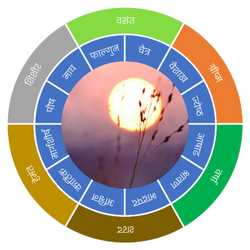
दुसरी महत्त्वाची गोष्ट म्हणजे ऋतू बदलण्याचा काळ ! यालाच शास्त्रीय परिभाषेत ‘ऋतुसंधी’ असे म्हणतात. एक ऋतू संपून दुसरा ऋतू सुरू होतो, त्या वेळी अनेक आजार होण्याची शक्यता असते. त्या काळात सर्दी होणे, ताप येणे, खोकला होणे अशा तक्रारी अनेकदा आढळतात. अशा परिस्थितीत आधीच्या ऋतूमधील आचरण हळू हळू कमी करत, आगामी ऋतूमधील अपेक्षित वर्तन हळूहळू आत्मसात करावे. ऋतुसंधीचा हा काळ ‘साधारणतः’ पहिल्या ऋतूमधले आठ दिवस आणि पुढच्या ऋतूमधले पहिले आठ दिवस असा पंधरवडा मानला जातो.

ऋतुचर्या बघताना आपण विविध सणवार, व्रतवैकल्ये, परंपरा याविषयीसुद्धा चर्चा करणार आहोत. कारण त्यामागे आयुर्वेदाचाच ‘शास्त्रीय’ आधार आहे. या परंपरा, सणवारांच्या ‘स्व’ रूपात हे शास्त्र आजही आमच्या आयुष्याशी किती समरस झालेलं आहे, हे यातून निश्चितपणे कळून येईल. चला तर मग, भारतीय नववर्षाच्या पहिल्या दिवसापासून म्हणजेच ‘गुढीपाडव्यापासूनच’ या नवीन प्रवासाला सुरुवात करूयात…

डॉ . मयुरेश आगटे

What is Rutucharyaa

Rutucharyaa

Human beings are one of the elements of nature. All changes that take place in nature, be it small or large, has an impact on our bodies. The change in nature happens in the form of seasons. In India, we experience Summer, Rainy and Winter seasons. As these seasonal changes alter our environment, they also have a profound impact inside our bodies. Therefore, appropriate changes need to be made in our daily routine i.e in our Dinacharya. To make these changes in our  Dinacharya, let’s first understand more about Rutucharyaa(seasonal guidelines).—

Rutucharyaa means following the guidelines according to the Rutu i.e.,season. Before following these guidelines, we must first ensure that the current weather conditions are in accordance with the present season. For instance, July is considered as the rainy season in India. But if there are no showers and it is infact, sunny outside, we must follow the Summer Rutucharya(Greeshma Rutucharya). In short, the weather conditions must be in accordance with that particular season to follow the corresponding Rutucharya.

Another important aspect is the time of season change, known as ‘Rutu Sandhi’. At the cusp of seasonal change, when we move from one season to the next, the chances of contracting various diseases are higher. During this period, we commonly encounter cases of cold, cough and fever. We must ,therefore, slowly reduce the Rutucharyaa of the previous season and gradually adopt the Rutucharyaa of the next season. This period of seasonal change “Rutusandhi” normally spans from the last week of the ending season to the first week of the next season. While looking at Rutucharyaa, we will also be delving into the various festivals, fasts, rituals and traditions that are followed, as these are scientifically based on Ayurveda. In conclusion, the science of Ayurveda is in harmony with our lives in the form of our festivals and traditions.

Dr Mayuresh Aagte