दिवाळीतील  अभ्यंगस्नान

Abhyangsnan

सुंदर, रमणीय पहाट ! दारात प्रत्येकाच्या घरासमोर रांगोळी, खिडक्यांमध्ये पणत्यांच्या रांगा, दिव्यांची रोषणाई, सोबत फटाक्यांची आतषबाजी ! सर्वत्र प्रसन्न वातावरण. घराघरातून पाहुण्यांचा स्नेहमेळा. प्रत्येकाच्या आनंदाला उधाण आलेलं; नवीन कपडेलत्ते, दागदागिने यांची या वातावरणात अधिकच भर. अत्तरे, उदबत्ती यांचा पसरलेला सुवास. सोबत निरनिराळ्या गोड, तिखट अशा पदार्थांची लयलूट! अशी आनंददायी, चित्तवृत्ती उल्हसित करणारी दिवाळी !

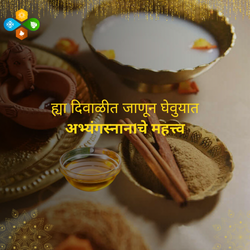
दिवाळीतला पहिला नरकचतुर्दशीचा दिवस. पहाटे लवकर उठून आपण सगळे ‘अभ्यंगस्नान’ करतो. म्हणूनच या नरकचतुर्दशीचे औचित्य साधून आपण आज गप्पा मारणार आहोत ते ‘अभ्यंग’ या दिवाळीतल्या खास वैशिष्ट्याविषयी ! ‘दिवाळी’ हा सण येतो तो साधारणतः ऑक्टोबर – नोव्हेंबर महिन्यात ! अर्थात, पंचांगातील तिथींप्रमाणे बदल केव्हातरी घडतो, पण सहसा जेव्हा दिवाळी येते, त्या वेळेला वातावरणातील ऑक्टोबर हिटचं प्रमाण कमी झालेलं असतं. सूर्याचं दक्षिणायन सुरू असल्यामुळे हळूहळू दिवस लहान व रात्र मोठी व्हायला लागते. या काळात सूर्याचे किरण तिरके पडल्याने वातावरणातील उष्णता कमी होऊन थंडी पडायला सुरुवात होते. अशा गुलाबी थंडीच्या वातावरणात आमच्या दारात दिवाळी येते.

दिवाळीच्या वेळी बाह्य वातावरणातील थंडीचा विचार करूनच अभ्यंगस्नानाचा समावेश या सणात करण्यात आला. थंडीचा आपल्या त्वचेवर परिणाम होतो. यामुळे त्वचा कोरडी पडते. थंडीचे प्रमाण वाढल्यास त्वचेला भेगा पडणे असाही त्रास शकतो. थंडीच्या या परिणामांपासून संरक्षण होण्यासाठी उपयोग होतो तो ‘अभ्यंगा’चा ! अभ्यंग म्हणजे त्वचेला तेल लावून मसाज करणे. अभ्यंगासाठी वापरण्यात येणाऱ्या तेलामुळे त्वचेचा कोरडेपणा जातो. त्वचेला स्निग्धता प्राप्त होते. थंडीमुळे आकसलेली त्वचा मऊ होऊन तिला सुकुमारत्व मिळते. त्वचेला बळकटी येते. तजेला, तरतरीतपणा मिळतो. त्वचेचा वर्ण सुधारण्यासाठीही अभ्यंगाचा चांगला उपयोग होत असतो. स्पर्श जाणण्याचे त्वचेचे काम अभ्यंगामुळे उत्तम प्रकारे होते. जसे-जसे वय वाढते, तसे त्वचेवर सुरकुत्या पडणे, शिथिलता येणे अशी ‘वृद्धत्वा’ची लक्षणे शरीरावर दिसू लागतात. अभ्यंगाचा उपयोग केल्याने अशी लक्षणे लवकर निर्माण होत नाहीत.

अभ्यंगाचे इतरही अनेक उपयोग आहेत. अभ्यंगात शरीरात ‘मुरणारे ‘ तेल स्नायूंना बळकटी देते. शरीराची ताकद वाढवण्यासाठी त्याचा उपयोग होतो. कुस्तिगीर व्यायामानंतर मसाज करून घेतात ते यासाठीच ! बाहेरच्या गारव्यामुळे शरीरातील वातदोष वाढतो. त्यामुळे थंडीत सांधेदुखी, गुडघेदुखी, कंबरदुखी असे वातदोषामुळे होणारे आजार हमखास डोकं वर काढतात. अभ्यंगामुळे हा वाढलेला वातदोष कमी होतो. साहजिकच त्याच्यामुळे होणारे आजारही कमी होतात. अभ्यंगामुळे शरीरात उष्णता निर्माण होते. त्यामुळे बाह्य वातावरणातील गारव्याचा प्रतिकार होतो. शरीराचे श्रम, थकवा दूर होण्यासाठी हा तेलाचा मसाज उपयुक्त आहे. शिवाय यामुळे शरीराची कष्टाची कामे करण्याची ताकद वाढते. शरीरावर बाह्य आघात झाल्यास तो सहन करण्याची ताकद वाढते. अभ्यंगातील तेलाच्या स्निग्धतेमुळे शरीर लवचिक बनते. थंडीच्या काळात निसर्गत:च शरीराला बल मिळत असते. अभ्यंगातील तेलाचा मसाज निसर्गाला या कामात मदत करत असतो. गाडीला नियमित ‘ऑइलिंग’ केल्यामुळे गाडीची कार्यशक्ती, गाडीचे आयुष्य वाढते. अगदी त्याचप्रमाणे अभ्यंगामुळे आपली शरीराच्या गाडीची ताकद वाढते. म्हणूनच अभ्यंगामुळे आपले तारुण्य अधिकाधिक काळ टिकते.

अभ्यंगाचे इतके उपयोग आहेत म्हणूनच ग्रंथकारांनी केवळ थंडीतच अभ्यंगाचा उपयोग न करता वर्षभर उपयोग करण्यास सांगितले आहे. याचसाठी अभ्यंगाचा रोजच्या दिनचर्येत समावेश करण्यात आला. रोजच्या उपयोगासाठी खोबरेल तेल, तिळाचे तेल यांचा वापर करता येतो. बला तेल, नारायण तेल अशी औषधीसिद्ध तेलेही वापरण्यास हरकत नाही. दिवाळीत आपण सुगंधी तेल वापरतो. त्यामुळे मनालाही प्रसन्नता येते. असे सुगंधी तेलही वर्षभर वापरता येईल.

रोजच्या सकाळच्या घाईत असा अभ्यंग न जमल्यास रात्री शांतपणा असताना अगदी टीव्ही बघतसुद्धा अभ्यंग करता येईल. रोज खरं तर सर्वांगालाच असा तेलाचा मसाज आवश्यक असतो. अगदीच मसाज न जमल्यास किमान तेलाचा ‘हात’ तरी फिरवावा. सर्वांग अभ्यंग शक्य नसल्यास किमान डोके, पाय व कान यांना मात्र आवर्जून तेल चोळावे.

दिवाळीच्या निमित्ताने सुरू झालेल्या अभ्यंगाविषयी आणखीनही बरेच काही सांगायचे आहे. त्याविषयी चर्चा थोड्याच वेळात…

डॉ . मयुरेश आगटे

सूचना :- कृपया आपल्या डॉक्टरांचा सल्ला घेतल्यानंतर या लेखात नमूद केलेली सर्व औषधे वापरा.

Diwali and Abhyangsnan

Abhyangsnan

A beautiful dawn! Rangoli in front of everyone’s doorstep, rows of diyas on windows, decorative lights, crackers and fireworks! A pleasant atmosphere everywhere. Houses are full of guests, with overflowing joy. New clothes and ornaments add more joy to this setting. The aroma of perfume and incense sticks in the air. A variety of sumptuous, sweet and spicy food! Diwali is such a happy and refreshing festival.

The first day of Diwali is ‘Narak Chaturdashi’ . On this day, we wake up early in the morning and take a ‘Abhyansnan’(oil bath). That’s why, on the occasion of ‘Narak Chaturdashi’, we are going to talk about the special ritual of ‘Abhyang’. Diwali is celebrated in the month of October – November. The date changes according to the Panchang. However, during Diwali the amount of heat that was present in October, is decreased. Due to the start of the winter solstice, the days gradually become shorter, and the nights longer. Around the same time, due to the slanted rays of the sun, the heat in the atmosphere reduces and cold begins to set in. Diwali is celebrated in such cold pink weather.

The tradition of ‘Abhyangsnan’ is included in Diwali due to the cold outside atmosphere. This cold temperature affects our skin and makes it dry. With increasing cold,  many problems like cracking of skin may occur . ‘Abhyang’ helps to protect the skin against these effects of the cold. Abhyang means massaging the skin with oil. The oil used in Abhyang removes dryness from skin and restores moisture. The skin that has contracted due to the cold becomes soft and gentle. It also strengthens the skin, makes it refreshed and glowing. It also helps in improving the skin color. It improves the skin’s ability to perceive touch. As we become older, ‘aging’ signs such as skin wrinkles and loose skin begin to show on our bodies. Abhyang postpones the onset of these symptoms.

 Abhyang has many more benefits. In ‘Abhyang’, the oil used is absorbed into the body and strengthens the muscles. It helps to increase the body’s strength. Therefore, wrestlers massage their bodies after exercise. The cool outside temperature causes an increase in Vaat dosha. This leads to problems caused by increased Vaat dosha such as joint paid, knee pain and back pain. The use of Abhyang reduces this Vaat dosha which in turn reduces the diseases caused by it. It increases the heat in the body and helps to protect the body against the cold. Massage is beneficial in reducing fatigue due to excessive physical exertion. It boosts the body’s ability to accomplish physically demanding tasks. It also increases the strength of the body to bear any  external impact. The moisture in the oil used in Abhyang makes the body flexible. The cold season naturally strengthens the body. This oil massage contributes to this strengthening function of nature. Regularly oiling vehicles boosts their operation and longevity. Similarly, Abhyang boosts our body’s strength. It also helps us to maintain our youth for a longer period of time.

There are a lot of benefits of Abhyang. Therefore, the authors of Ayurvedic books have mentioned that it should be done not only during the cold season but also throughout the year. For this reason, it is also included in Dincharya. We can use coconut or sesame oil for Abhyang. Medicated oils like Bala oil and Narayan oil can also be used. During Diwali, scented oils are used for Abhyang. These oils refresh our mind. Such scented oils can be used throughout the year.

If it is not possible to do the Abhyang due to busy mornings, it can also be done at night while watching TV. Actually, it is necessary to massage our entire body. However, if the whole-body massage is not feasible then, we should at least apply a small amount of oil on our body. Oil should be applied on the head, feet and ears exclusively if the body massage is not possible. On the occasion of Diwali, we started talking about Abhyang. We can discuss more about this later.

Dr Mayuresh Aagte

Note : Please use all the medications mentioned in this article after consultation with your doctor

कोजागिरी पौर्णिमा आणि शरदाचे चांदणे

Kojagiri

दसरा, नवरात्र व त्यासाठी वापरल्या जाणाऱ्या झेंडू, आपटा यांच्या पार्श्वभूमीवर आपण शरदऋतूविषयी गप्पा मारायला सुरुवात केली होती. आपल्या भारतीय परंपरांमागे असलेल्या शास्त्रीय दृष्टिकोनाची झलक या निमित्ताने आपण पाहिली. याच शरद ऋतुसंदर्भात आपण आज गप्पा मारणार आहोत, ते शरदाच्या चांदण्याच्या ‘प्रकाशात !’

दिवसभर कडक उन्हामुळे ऑक्टोबर महिन्यात सगळेच त्रस्त झालेले असतात. पावसाळ्यातील गारव्याच्या पार्श्वभूमीवर तर हा उकाडा अधिकच जाणवत असतो. या उकाड्याने होणाऱ्या त्रासाची भरपाई निसर्ग करतो ती रात्री सुंदर, मनोहर चांदण्याची बरसात करून ! ईतर कोणत्याही ऋतूमधील चांदण्यापेक्षा या ऋतूमधील ‘चांदणे’ खूपच नयनरम्य असते. ‘शरदाचे चांदणे’ असा वाक्यप्रचार रूढ झाला अशा चांदण्याच्या सुखद अस्तित्वामुळेच ! चांदणे हे नेहमीच ‘शीतल’ असते, पण तो शरदाच्या चांदण्यातील शीतलता काही औरच असते. या चांदण्याच्या शीतलतेचाही स्वास्थ्यरक्षणासाठी आयुर्वेदाने उपयोग करून घेतला, ‘कोजागिरी पौर्णिमेच्या रूपाने !

मागच्या लेखात या ऋतूमध्ये पित्तदोष वाढतो व त्यामुळे अंगाची आग होणे, रक्तस्त्राव होणे आदी आजार बळावतात, असा उल्लेख आपण पाहिला होता. बाह्य वातावरणातील उष्णता वाढल्यामुळे आपल्या शरीरातील पित्त वाढते. अशा वाढलेल्या पित्ताला कमी करण्यासाठी उत्तम उपयोग होतो तो ‘दुधाचा’. दूध शीतल, उत्तम पित्तशामक असा आहारातला पदार्थ. म्हणूनच त्याचे सेवन या ऋतूमध्ये अत्यंत उपयुक्त असते. दुधाच्या पित्त कमी करण्याच्या कामाला आयुर्वेदाने जोड दिली, ती चांदण्याच्या शीतलतेची ! शरदाच्या चांदण्याच्या शीतलतेचा आपल्या शरीरावरही अनुकूल परिणाम घडतो. त्यामुळे दिवसा सूर्यसंतापामुळे वाढलेली उष्णता कमी व्हायला उपयोग होतो. या ऋतूत संपूर्ण आकाश चांदण्याने न्हाऊन निघालेले असते. अशा चांदण्यात दुधाचे सेवन म्हणजे आरोग्यरक्षणाकरता ‘दुग्ध-शर्करा’ योगच ठरतो. असे दूध घेताना त्यात भरपूर साखर घालावी. कारण साखर ही सुद्धा उत्तम पित्तशामक, शीतल अशी आहे. त्याचप्रमाणे बदाम, खारीक, पिस्ता असे पदार्थही दुधात घालावेत. या पदार्थांमुळे दिवसाच्या उष्णतेने आलेला थकवा दूर होण्यास मदत होते. शिवाय दुधाच्या ‘पौष्टिक’ कार्यालाही चांगलाच हातभार लागतो. वेलदोड्यासारखे पदार्थ पित्तशमनाबरोबरच दुधाला उत्तम सुगंध देण्याचेही काम करतात. दूध घेताना चांगले तापवून घ्यावे. कारण असे दूध पचण्यास हलके होते. चांगले तापवलेले दूध मग चांदण्यात निववण्यासाठी ठेवावे आणि नंतर त्याचा पिण्यासाठी उपयोग करावा. यामुळे चांदण्याच्या शीतलतेचा दुधावर अनुकूल परिणाम घडतो. म्हणूनच असे चांदण्यात घेतलेले दूध शरद ऋतूमधील पित्ताचे आजार कमी करायला उपयुक्त ठरते. त्याचप्रमाणे उकाड्यामुळे शरीराला येणारा थकवा दूर करून तजेला आणते.

हे सगळे उद्देश साध्य व्हावेत, यासाठी आयुर्वेदाने उपयोग करून घेतला, तो ‘कोजागिरी पौर्णिमा’ या दिवसाचा. या परंपरेच्या निमित्ताने आयुर्वेदातील शरद ऋतुचर्येचा अवलंब व्हावा व आपल्या सगळ्यांचे आपोआप आरोग्य राखले जावे, हा या कोजागिरी पौर्णिमेचा खरा ‘शास्त्रीय’ हेतू आहे. अर्थात, याचा अर्थ केवळ त्या दिवशीच चांदण्यात दूध प्यावे असा नाही. संपूर्ण शरद ऋतूमध्येच अशा प्रकारे दूध घेणे ‘ठरते. कोजागिरी पौर्णिमेच्या निमित्ताने अशा ऋतुचर्येची आठवण उपयुक्त होणे अपेक्षित असते.

या ऋतूमधील चांदण्याप्रमाणेच नक्षत्रासंदर्भातही एक विशेष उल्लेख ग्रंथात आढळतो. पावसाळ्यात नदी, तलाव यांतील पाणी गढूळ झाल्यामुळे तसेच्या तसे पिण्यास अयोग्य असते. ऑक्टोबरपर्यंत मात्र, हे पाणी बरेचसे निवळते. चांदण्यांच्या प्रकाशात हे पाणीसुद्धा गार होते. चांदण्याप्रमाणेच आकाशातील नक्षत्रांचासुद्धा या पाण्यावर परिणाम घडत असतो. त्याचाच परिणाम म्हणजे पाणी ‘शुद्ध’, पिण्यास योग्य बनते. आकाशात याच सुमारास ‘अगस्ती’ ताऱ्याचा उदय होतो. या ताऱ्याच्या प्रकाशात तलाव, नदी यांतील पाणी अधिकच निर्मळ, शुद्ध बनते. अशा पाण्यालाच आयुर्वेदाने ‘हंसोदक’ असे नाव दिले आहे. हंसाप्रमाणे निर्मळ किंवा हंसपक्ष्यास उपयुक्त असे ‘शुद्ध’ पाणी म्हणजे ‘हंसोदक !’ याच हंसोदकाचा वापर स्नान, पान आदी सर्वांसाठी करावा, असा उल्लेख ग्रंथात सापडतो.

मित्रांनो, शरद ऋतुचर्येमधलं पाण्याचं हे वर्णन सांगताना मला एक वेगळा मुद्दा सांगायचा आहे. हल्ली आयुर्वेदावरील कोणत्याही व्याख्यानात, समारंभात, लेखनात जो तो ‘आयुर्वेदात संशोधन व्हायला हवं’ असं बिनधास्त सांगतो. आयुर्वेदाने मूलभूत सिद्धांत मुळातच इतके पक्के होतात की त्यात संशोधन होणे थोडे अशक्य वाटते. मग संशोधनाच्या जागा आहेत, त्या अशा शरद ऋतूमधल्या पाण्यासारख्या ! आज कोणत्याही गोष्टीचे पृथ:क्करण केमिस्ट्री, बायोकेमिस्ट्री, केमिकल ॲनालिसिस आदी आधुनिक शास्त्रांद्वारे करता येते. मग त्यांचा उपयोग शरद ऋतूत नक्षत्रांमुळे ‘निर्विष’ होणाऱ्या पाण्याच्या पृथक्करणासाठी करता येईल. मूळचे दूषित पाणी व चांदण्यात ठेवलेले तेच पाणी या दोन्ही पाण्याच्या नमुन्यांचे परीक्षण करून नक्की निर्विषता, शुद्धत्व म्हणजे काय घडते, असा ‘संशोधनपर’ अभ्यास करणे सहज शक्य आहे. पूर्वाचार्यांनी केलेले हे निरीक्षण आधुनिक शास्त्रांच्या साह्याने ‘कागदावर’ दाखवता येईल. हे करताना आयुर्वेद किंवा अर्वाचीन शास्त्रे यांच्या तत्त्वांना धक्का न लागता, त्यांच्यात भेसळ न करता योग्य असा समन्वय त्यांच्यात साधता येईल. आयुर्वेदाला आधुनिकतेची जोड देता येईल, ती अशा प्रकारे.

डॉ . मयुरेश आगटे

सूचना :- कृपया आपल्या डॉक्टरांचा सल्ला घेतल्यानंतर या लेखात नमूद केलेली सर्व औषधे वापरा.

Kojagiri Pournima and the Starry Nights in Sharad Rutu

Kojagiri

Kojagiri Pournima and the Starry nights in Sharad Rutu

In the last article, we discussed Sharad Rutu in relation to Dasara and Navratri, and the use of Marigold and Apta during these festivals. This gave us a glimpse of the scientific approach behind our Indian tradition. We are going to talk about the Sharad Rutu, under the starry nights of Sharad Rutu.

In the month of October, everybody is exhausted due to the intense heat throughout the day. We feel the heat more after the cool rainy season. Nature has compensated for this trouble by showering us with beautiful starry nights. The starry nights in this season are more picturesque than the nights in any other season. It is because of the pleasant existence of such a starry nights that the phrase ‘Sharadache chandane’(Moonlight of Sharad Rutu) became popular! Moonlight is always considered to be ‘cool’. However, this moonlight in Sharad Rutu is exceptionally cool. Ayurveda has used this coolness of the moonlight to protect our health in the form of ‘Kojagiri Pournima’

In the last article, we saw that increased Pitta dosha can cause problems like body heat and bleeding. The increased heat in the environment aggravates the Pitta dosha. Milk is helpful to reduce such increased Pitta dosha. Milk is cool and Pitta shamak(reducing) in nature. Therefore, the consumption of Milk is very beneficial in this season. Ayurveda has combined the Pitta reducing properties of milk with the soothing starry nights! The cool starry nights in Sharad Rutu also have favorable effects on our health. It helps to minimize the heat caused by the intense sun.

During this season, the entire sky sparkles in moonlight. The consumption of Milk under the moonlight is a perfect approach to protect our health. We should add a lot of sugar when consuming this Milk since sugar is also Pitta shamak(reducing) and cool in nature. Similarly, we should also add foods like Almonds, Pista and dried Dates. These foods help to relieve the fatigue caused by the heat during the day. Furthermore, it adds nutritional value to the milk. Foods like Velachi (Cardamom) are not only Pitta shamak but also provides great aroma to the Milk. The Milk should be boiled properly as it becomes easier to digest. It should then be kept under the moonlight for cooling. After this, it can be consumed. The soothing property of this moonlight has a favorable effect on the Milk. Therefore, consumption of such milk under the moonlight is beneficial in reducing the diseases caused by Pitta dosha. It also helps to reduce fatigue and refresh our bodies.

Ayurveda has used this “Kojagiri Pournima” to achieve all these objectives. The true scientific purpose of Kojagiri Pournima is to protect our health by following this tradition during Sharad Rutu. Of course, it does not imply that we should drink milk only on Kojagiri. Rather we should consume it throughout Sharad Rutu. On the occasion of Kojagiri Pournima, we revisit this tradition of Sharad Rutucharya.

Like the starry nights in Sharad Rutu, one more reference is found about constellation in the ancient Ayurveda books. In the rainy season, the water in rivers and lakes is not suitable for drinking due to contamination. However, by October, the water has been drained. Under the starry night, it becomes cool. Constellation in the sky has an influence on water. As a result, the water becomes purer and more fit for drinking. Around this time, the Agasti star rises in the sky. Under the light of this sky, the water in rivers and lakes becomes more pure and clear. Ayurveda has termed this water as ‘Hansodak’. Hansodak means water that is pure like Hansa(swan) or water suitable for Hansa. It is mentioned in our old books of Ayurveda that this Hansodak should be used for drinking and bathing. 

Friends, I would like to make a different point while describing the water in Sharad Rutucharyaa. Now a days , in any lecture, function or articles, everyone says that research should be done in Ayurveda. Actually, the basic principles of Ayurveda are so firm that research seems to be impossible. Then there are areas, such as water in Sharad Rutu, that can be proven with contemporary techniques like biochemistry and chemical analysis. We may use these approaches to examine the water and determine when it becomes clean in Sharad Rutu. If we continue to test the polluted water and the same water after storing it under the starry nights of Sharad Rutu. These investigations and research may prove the purity and clarity of water. This observation made by our ancestors can be shown ‘on paper’ with the help of modern  techniques . In doing so, the principles of Ayurveda or the ancient sciences can be reconciled without altering their principles and disturbing their values . In this way, Ayurveda may be combined with modern science.

Dr Mayuresh Aagte

Note : Please use all the medications mentioned in this article after consultation with your doctor.

Dasara, Our Tradition and Health

Dasara and its significance

During the rainy season, nature changes its entire appearance. It seems like nature has been reborn. The earth seems to have been laid out with green carpets or our mother nature is dressed in a green saree like a new bride. The incessant rain of July and August slowly decreases in September. The Sun, which was rarely seen during the rainy season, is now slowly showing his presence daily. In early September we normally see the bright yellow sunlight, sometimes cloudy skies along with the occasional mild showers. This hide and seek of sunlight and rains continues for a few days.  As the days progress, the rain decreases and the heat in the environment increases. The intensity of heat is felt more during the entire day. By now, the month of October has started. Due to the scorching heat of October, it is known as “October heat”! During this season, even though the days are very hot, at night nature showers us with the beautiful moonlight. We call this type of weather as “Sharad Rutu”.

During Sharad rutu, the chill of the rainy season reduces and the sun starts to shine brightly, which in turn increases the heat in the atmosphere. This increased heat impacts our body. During the rainy season, along with the Vaat Prakop(Outburst), the Pitta dosha also starts accumulating. We have already seen this in the description of Varsha Rutucharya. During Sharad rutu, the increased heat in the atmosphere pacifies the Vaat dosha. However, it causes eruption of the Pitta dosha resulting in the Pitta Prakop(outburst). Therefore, Pitta related diseases are more likely to occur during this season.

It creates diseases such as burning sensation in the hands and feet, feeling heat in the stomach, acidity, bleeding from hemorrhoids, nose bleeds and Jaundice. Therefore, the main strategy in Sharad Rutu is to prevent Pitta Prakop from occurring.

With this background, our ancestors have chosen plants like Marigold and Apta for Navaratri. There are numerous festivals and poojas throughout the year, but these plants are not as important during those festivals. However, we cannot celebrate Navaratra without them. Our cultures have beautifully combined our body condition during this season with the properties of these plant. These plants play an important role in our health as they are Pitta shamak(Pitta reducing).The juice/extract of the Marigold flower is an excellent remedy for problems like intense body heat, heat in the stomach and acidity. It also immediately stops heat induced bleeding, occurring from any part of the body. The extract of Marigold flower can be used in case of bleeding due to hemorrhoids or nose bleeding. The churna(powder) of Marigold flower is also equally beneficial.

Pure ghee is also an excellent remedy for Pitta related problems. Therefore, extracts or churn(powder) of Marigold flower with pure ghee provides more benefits. The Marigold flower blooms during this period and therefore they are fresh, and their beneficial properties are at their best. This is the main purpose for choosing the Marigold flowers for Navaratra. Like Marigold, the Apta plant used to give as gold during Dasara, is also a Pitta shamak(reducing) plant. It is also useful to stop heat related bleeding. For this reason, both these plants are highly beneficial during the October heat. We bring these plants home for Navaratri. If anyone in the house is affected due to these diseases in Sharas rutu, these plants can be used to control the disease immediately.

Friends, our ancestors have not created these traditions just as a ritual or for promoting superstitions. On the contrary, they have used the “scientific” base of Ayurveda for celebrating such festivals without any problems. Our traditions have survived for years because they are completely scientific.

Dr Mayuresh Aagte

Note : Please use all the medications mentioned in this article after consultation with your doctor.

दसरा सण मोठा, नसावा आरोग्या तोटा

Dasara and its significance

पावसाळ्यात संपूर्ण सृष्टीचे रूपच पालटते. सगळ्या सृष्टीला पुनर्जन्मच मिळतो. जणू सर्व भूतलावर हिरव्या रंगाचे गालिचे पसरावेत किंवा या सृष्टीने नववधूप्रमाणे हिरवा शालू परिधान केलेला असावा. जुलै, ऑगस्टमध्ये धुवाँधार पडणारा पाऊस सप्टेंबर महिन्यापर्यंत हळूहळू कमी व्हायला लागतो. पावसाळ्यात दुर्लभ असणारी सूर्यदेवता आता दररोज दर्शन द्यायला सुरुवात करते. सप्टेंबरच्या उत्तरार्धात पिवळे धमक ऊन, मधून मधून मेघाच्छादित आकाश असे दृश्य दिसते. मधूनच पावसाची एखादी सर येत राहते. या ऊन-पावसाचा पाठशिवणीचा खेळ काही दिवस तसाच सुरू राहतो. नंतर मात्र पावसाचे प्रमाण कमी कमी होत जाते आणि त्याचबरोबर उन्हाचे प्रमाण दिवसेंदिवस वाढायला लागते. पुढेपुढे दिवसभर कडक ऊन जाणवायला लागते. तोपर्यंत ऑक्टोबर महिना उजाडलेला असतो. बाहेरच्या कडक उन्हामुळे हा महिनाच मुळी ओळखला जातो तो ‘ऑक्टोबर हीट’ या नावानेच ! अर्थात दिवसभर कडक ऊन जरी असले, तरी रात्री सुंदर, शीतल चांदण्याची बरसातही निसर्ग करतो. अशा हवामानाच्या या ऋतूलाच नाव आहे ‘शरद ऋतू’ !

शरद ऋतूमध्ये पावसाळ्यात असणारा गारवा कमी होतो आणि सूर्य प्रखरतेने तळपू लागतो. वातावरणातील उष्णता त्यामुळे वाढते. या वाढलेल्या उष्णतेचा शरीरावरही विशेष परिणाम होतो. पावसाळ्यात शरीरातील वातदोषाचा प्रकोप घडत असतो तर पित्तदोषाचा संचय होत असतो, असे आपण वर्षाऋतुचर्येच्या वर्णनात पाहिले आहेच. शरद ऋतूमधील ही वाढलेली उष्णता वातदोषाला ‘शांत’ करते. मात्र, या उष्णतेमुळे ‘पित्त’ मात्र खवळते. म्हणजेच त्याचा प्रकोप होतो. म्हणूनच या काळात पित्तामुळे होणारे आजार अधिक प्रमाणात होण्याची शक्यता असते

हातापायांची आग होणे, पोटात आग पडणे, अम्लपित्ताचा त्रास होणे, शरीरातील विविध भागांतून रक्तस्राव होणे, मूळव्याधीतून रक्त पडणे, कावीळ असे विविध पित्ताचे विकार या काळात निर्माण होतात. म्हणूनच हा पित्ताचा प्रकोप होऊ न देणे, हे शरद ऋतुचर्येचे प्रमुख धोरण असते.

या पार्श्वभूमीवरच आमच्या पूर्वजांनी देवीच्या नवरात्रासाठी निवड केली ती झेंडू, आपटा या वनस्पतींची ! १२ महिन्यांत अनेकविध सण, पूजा होत असतात. पण एरवी त्या सणांमध्ये या वनस्पतींचे फारसे महत्त्व असत नाही. नवरात्र मात्र यांच्याशिवाय साजरे होणेच शक्य नाही. शरद ऋतुचर्येतील शरीराची स्थिती व या वनस्पतींचे गुणधर्म यांचा सुरेख मिलाफ आमच्या संस्कृतीने नवरात्रीच्या निमित्ताने करून घेतला. या वनस्पती पित्तशामक असल्याने आरोग्यासाठी त्यांची या काळात महत्त्वाची भूमिका आहे. झेंडूच्या फुलांचा रस हा अंगाची लाही होणे, पोटात आग पडणे, अम्लपित्त यावरील उत्तम औषध आहे. त्याचप्रमाणे फुलांचा रस हा शरीरात कोठूनही होणारा रक्तस्राव त्वरित थांबवतो. फुलांचा रस यासाठीच मूळव्याधीतून रक्त पडणे, गुळणा फुटणे अशा कोणत्याही रक्तस्रावात प्यायला द्यावा. फुलांच्या रसाप्रमाणेच फुलांचे चूर्णही उपयोगी पडते.

साजूक तूप हे सुद्धा पित्तावरचे उत्तम औषध असल्याने झेंडूच्या फुलांचा रस किंवा चूर्ण तुपाबरोबर दिल्यास अधिक फायदा मिळतो. झेंडूची फुले याच काळात फुलतात. त्यामुळे ही फुले ताजी, गुणधर्माने परिपूर्ण असतात. झेंडूची फुले नवरात्रासाठी निवडण्यामागे हाही एक उद्देश आहे. झेंडूप्रमाणेच दसऱ्याला ‘सोने’ म्हणून देण्यात येणारी ‘आपटा’ ही वनस्पतीसुद्धा उत्तम पित्तनाशक, रक्तस्राव थांबवणारी आहे. त्यामुळे ‘ऑक्टोबर हीट’साठी या दोन्ही वनस्पतींचा उत्तम उपयोग होत असतो. नवरात्रानिमित्त या वनस्पती प्रत्येकाच्या घरात आणल्या जातात. शरद ऋतूमध्ये होणारे आजार घरातील कोणा व्यक्तीला झाल्यास या वनस्पतींचा उपयोग व्हावा व तत्काळ रोग आटोक्यात यावा, हा या परंपरेमागील ‘शास्त्रीय’ उद्देश आहे.

मित्रांनो, आपल्या पूर्वजांनी या परंपरा निर्माण करताना, अंधश्रद्धा किंवा धार्मिकतेचे अवडंबर कधीही केले नाही. उलट असे आनंदोत्सव निर्विघ्नपणे पार पडावेत, म्हणून नेहमीच आयुर्वेदाचा ‘शास्त्रीय’ आधार घेतला. आपल्या परंपरा वर्षांनुवर्षे टिकून आहेत, कारण त्या पूर्णतः ‘शास्त्रशुद्ध’ आहेत म्हणून.

डॉ . मयुरेश आगटे

सूचना :- कृपया आपल्या डॉक्टरांचा सल्ला घेतल्यानंतर या लेखात नमूद केलेली सर्व औषधे वापरा.

Avoid excessive tourism and protect the natural heritage of plateaus

Kaas Pathaar

This is a story from the nineties. The Pune-Satara highway was only two lanes at the time. There were no windmills in the area surrounding Thoseghar and Chalkewadi. There were only one or two buses that went daily from Satara to Bamnoli (via Kas), with the exception of a few bikes on the Kas Road. The colorful flowers were usually visible to onlookers through the bus window. However, because it was so normal, no one would stop to take a closer look at them.

Windmills were created on the Chalkewadi Plateau as development progressed, and a few access roads to the Thoseghar area were constructed. With the addition of a road, the location gained popularity, as did the windmills and waterfall. Around that time, the Pune-Satara Road was widened to four lanes, and four-wheelers became a part of the middle-class lifestyle. Monsoon trips to places like Thoseghar, Sajjangad, Kas, and Bamnoli became a ritual for residents in western India. And then the horrible cycle of natural devastation began. Kas Lake became “Kach” (glass) Lake.  How did Kas-Thoseghar-Bamnoli’s nature change during this transformation? This is a short & not-so-sweet story on the adverse effects, primarily on the Kas Plateau.

Initially, some people started to come there on their bikes. They could see the flowers closely. There was no mobile phone with a camera connected to it, nor any sort of fence or guide. Therefore, People used to leave shortly after appreciating the flowers. Some individuals would pluck the flowers, while others would uproot the plant to put it in their garden. Some would run over or roll on the flowers . There were people who would carry the thin crust of soil along with them. Telling them about the conservation of environment and this wonderful piece of nature was pointless. Since, there were relatively few visitors, the damage was minimal.

During those days,  we would spot researcher in the distant corner of the Kas Plateau. They used to remind everyone from the bottom of their heart that we needed to preserve this ultimate heritage as much as possible. To protect it , we must treat it as a family member and  take the best possible care of it. Also, publish as little as possible. It was as if they knew exactly what the future held.

I remember somebody from them telling us that  our Sahyadri is embellished with all these flowers and biodiversity. It doesn’t mean that we should watch it quickly in few days. In fact, we can experience it throughout the year. Few decades ago, the same flowers were visible on Panchagani Plateau, but they have now disappeared due to excessive tourism. Interestingly, I have seen the same kind of flowers on the Panchagani Plateau after the Corona lockdown period.  If you give nature a space and some time, it will surely return.

Time moved on for 20 years. These days, everyone owns a car, a camera, and a lot of time. It is used  not to experience the beauty of nature but to engage in certain activities that they can post it on social media. In old days, the route from Pune to Satara used to take three hours, and the trip from Satara to Kas only twenty minutes. Even on holidays, it now takes two and a half to three hours to get to Satara and one and a half to two hours to reach Kas. The Satara-Kas Road, which was quite relaxed earlier, is now continuously busy. Now we can see the resorts on both sides of the road inviting not only people to stay in this beautiful nature but also to construct their second home in nature (sadly by destroying the same nature).

Why are we so stubborn ? Why Kas only. Given that Maharashtra has over 500 km of Sahyadri range then why are we only crowding in a 5–10 km stretch?  These kind of plateaus are everywhere in Sahyadri. These plateaus are formed after cooling of lava and the layer of soil is formed by the erosion of the upper layer of the plateau and these wildflowers blooms on that in all the season. This kind of scene can be found everywhere. Then, why are we travelling to such a long distance, wasting time and fuel and destroying nature when it is already in a fragile condition. Maybe there isn’t as much diversity or as much flowering on the other plateaus. However, by overcrowding Kas, should we allow the Kas Plateau to experience the same fate as Panchangani?.

Satara to Kas was a beautiful hill road with greenery and flowers on both sides. There wasn’t any hotel till Bamnoli. There were only one or two tea stalls. One at Petri and another near Yavateshwar and the rest was just nature. There used to be free movement for birds and animals and very limited movement of people and vehicles.

Not only Kas, but also places like Mulshi  (in the beginning of monsoon) , Konkan beaches (during winter) are getting crowded. This is leaving a mark on our nature which cannot be erased. There are so many hills near Pune and luckily the biodiversity still persists there. Many organization are trying to restore the biodiversity. Instead of taking a booster dose of travelling to Kas, Mulshi, and Bhigwan once a year, we can still enjoy it slowly. By working with such organizations, we can bring the Kas plateau closer to us and that too for a complete year !!

We can just take a quick walk up the hill closest to us to observer which tree have new leaves, which ones have new blooms. Some trees are shading leaves according to season. In branches of some tree, birds are nesting hurriedly. There are a lot of such scenes, we can store in our eyes and brain in such peaceful morning. How can we feel the fresh morning breeze, the mild scent of flowers and leaves,  sound of chirping birds into the already crowded Kas.

You’ll never notice how much time has passed when you’re sitting next to your favorite tree, carefully stroking its leaves and blooms and admiring its unique characteristics. Nobody will interrupt you at that time, and no one will be standing in line behind you or asking you to take their photo. If possible, we can keep a little notepad to document any changes in our environment. It could be related to the soil near the tree, the leaves, flowers, or birds around the tree, or the blue sky you see while relaxing near the tree. All of these memories will be unique to you.

Most importantly, all of these values should be consciously passed down to the next generation. Enjoying Monsoon does not mean shooting selfie under a crowded waterfall, eating Kanda Bhaji(pakoda) or performing a rain dance in a resort. Monsoon means waking up early morning  to listen the chirping of Pawasha (a bird similar to Chatak), closely observing the small streams, nearby canals, identifying the small flora and fauna around it. It is important to take our new generation to the nearby locations and show them the subtle changes in nature. The festivals in Shravan, have many rituals associated with leaves and flowers. These rituals were meant to connect us with the changing nature of the seasons.

Going in nature doesn’t imply rushing to a location and snatching some of its charm but rather it should be an experience earned through the numerous and tranquil visits. If we can persuade our younger generation that it is not a one-time event, but rather a part of our daily lives (Dincharya), we will be able to preserve Kas’s important heritage and our environment friendly traditions. Our forefathers have conserved this nature and legacy for thousands of years. We should now cherish and enhance it by our mature, active and environmentally conscious behavior. Then only we can prevent the destruction of heritage sites like Kas and that will be our true development.
सोडा हा अतिपर्यटनाचा हव्यास, मोकळा करा निसर्गाचा श्वास, शोधाना आपल्या जवळच कास

Kaas Pathaar

सोडा हा अतिपर्यटनाचा हव्यास, मोकळा करा निसर्गाचा श्वास, शोधाना आपल्या जवळच कास .

१९९० च्या दशकातील गोष्ट आहे.  तेंव्हा पुणे-सातारा हमरस्ता हा दोन पदरी होता.  ठोसेघर चाळकेवाडी परिसरात पवनचक्यांचा पत्ता नव्हता  आणि साताऱ्याहून बामणोली ला  दिवसातून १/२ च बस जायच्या ..  बाकी एखाद दुसरी दुचाकी.. त्यातुन  जाणाऱ्या वाटसरूंना खिडकीतून बऱ्याचदा रंगीबेरंगी फुले दिसायची .  पण ती नित्याचीच असल्याने कोणी तिकडे मान वाकडी करून पाहायचे नाही !

जागतिकीकरणाच्या हवेबरोबर , चाळकेवाडीच्या पठारावर पवनचक्क्या  फिरू लागल्या ..  थोडेफार रस्ते झाले आणि  मग पवनचक्क्याबरोबर ठोसेघर सर्वत्र प्रसिद्ध झाले.  पुणे-सातारा रस्ता चार पदरी झाला आणि त्याचसुमारास बऱ्याच लोकांच्या दारी पण चार चाकी वाहन येऊ लागले.. आणि मग पावसाळ्यात ठोसेघर-सज्जनगड-कास-बामणोली  अशा पर्यटकांच्या तीर्थयात्रा सुरु झाल्या. कास चा काच तलाव झाला.  आणि ह्या सर्व स्थित्यंतरात , काय अवस्था झाली कास-ठोसेघर-बामणोली च्या निसर्गाची ?  त्याचीच ही  काहीशी संक्षिप्त कथा. मुख्यतः कास पठाराबद्दलची.

सुरवातीला काही दुचाकीवर येणारे लोक दिसू झाले. येणारे फुले जवळून पाहायचे.  कुंपण, मार्गदर्शक असला प्रकार नव्हता .  मोबाईल आणि त्याला जोडून कॅमेराही  नव्हता. त्यामुळे आलेले लोक काही वेळात बघून निघूनही जायचे.  काही  जण फुले तोडून घ्यायचे. काही जण ती रोपे पण उपटून घरी घेऊन जायचे. बागेत लावायला !!  काही जण फुलात लोळायचे , पळायचे.  काही जण  तो मातीचा हलकासा थर  खरडून न्यायचे.   सांगून काहीही  उपयोग नव्हता ! येणारे लोक पण तुलनेने कमी होते त्यामुळे नुकसान पण कमी व्हायचे.

बऱ्याचदा पाठरावरच्या  दूरच्या कोणत्या कोपऱ्यात काही संशोधक पण दिसायचे. ते सर्वाना कळवळून सांगायचे की  हा वारसा आपल्याला शक्यतोवर जपायचा आहे.  त्यामुळे जेव्हढी जमेल  तेव्हढी काळजी घ्या आणि जेव्हढी कमी शक्य आहे तेव्हढीच   प्रसिद्धी करा. त्यांना जणू काही पुढील भविष्य माहीत होते.

त्यातीलच कुणीतरी सांगितलेले आठवतेय. “सर्व सह्यद्रीच अशा विविधतेने आणि फुलांनी नटलेला आहे.  तो फक्त अशा काही थोडक्या दिवसात भरभर बघायचा नाही, तर वर्षभर शांतपणे अनुभवायचा आहे.  काही दशकापूर्वी पाचगणी च्या पठारावर पण अशीच फुले दिसायची पण अतिपर्यटनाने ती नाहीशी झाली . “

गंमत म्हणजे  करोना बंदीच्या काळानंतर मला पाचगणीच्या पठारावर काससारखी काही रानफुले दिसली होती. निसर्गाला तुम्ही थोडी जागा आणि  बहरायला वेळ द्या, तो (गाजावाजा न करता )परत येईलच  🙂

सातारा ते कास हा रस्ता मस्त घाटांचा , दोन्ही बाजूला हिरवळीचा, फुलांचा होता. बामणोली पर्यत एकही  हॉटेल नव्हते. होत्या फक्त एक दोन चहाच्या टपऱ्या.  एक पेट्रीला आणि दुसरी यवतेश्वर जवळ.  बाकी सगळी निसर्सगाची मुक्त उधळण. प्राणी-पक्षी याना मुक्त संचार. वाहनांचा आणि लोकांचा संचार अतिशय मर्यादित.

काळ असाच पुढे २० वर्षे पुढे सरकला. आता सर्वांच्या हातात कॅमेरा , जवळ भरपूर पैसा आणि गाड्या.    आणि हे सर्व सौंदर्य अनुभवायला नाही तर ते

 विविध करामती करत समाजमाध्यमांवर टाकायला असणारा उत्साह..   सगळेच भरपूर.

पूर्वी पुणे-सातारा अंतर कापयला तीन तास लागायचे. आणि सातारा कास ला २० मिनिटे. 

 आता पण सुट्टी च्या दिवशी सातारा पोहोचायला लागतात अडीच/तीन  तास आणि कास ला पोहोचायला कधी अर्धा तास तर कधी २ तास पण. पूर्वी निवांत असणारा सातारा कास रस्ता आता अखंड वाहता असतो. रस्त्याच्या दुतर्फा दिसतात  असंख्य रिसॉर्ट्स आणि लोकांना ह्या निसर्गात राहायला/बांधायला  बोलावणारी सिमेंटची आमंत्रणे ..

का करायचा हा अट्टाहास ? कासच का ? महाराष्ट्राच्या वाट्याला जवळपास ५०० किलोमीटर लांबीचा सह्याद्री मिळालेला  असताना, का करायची गर्दी ह्या साधारण ५/१० किमी लांबीच्या पट्ट्यात ?  सह्यकड्यावर अशी पठारे सर्वत्र आहेत. लाव्हारस थंड  होऊन झालेली पठारे  आणि त्या दगडाच्या वरच्या थराची  झीज होऊन झालेला हा मातीचा थर  आणि त्यावर वेगवेगळ्या ऋतूत उमलणारी रानफुले. हे दृश्य सर्वत्रच आहे.   त्यासाठी एव्हढ्या दूरवर , एव्हढा प्रवास करून , वेळ  इंधनाचा अपव्यय करून, तेथील आधीच नाजूक परिस्थितीत असलेल्या निसर्गाचा  ऱ्हास  का करायचा ?  कदाचित इतर पठारावर एव्हढी विविधता नसेल, एव्हढ्या संख्येने फुले येत नसतील. पण मग अशी गर्दी करून  आपण कास ची अवस्था पण मागे म्हणाल्या प्रमाणे पाचगणी च्या पठारा सारखी  होऊ द्यायची का?

कासच नाही, तर पावसाळ्याच्या सुरुवातीला मुळशी,  हिवाळ्यात भिगवण , दिवाळीत कोकणकिनारे.. आपण सर्वदूरपणे  वेळोवेळी गर्दी करून  तेथील निसर्गावर असाच  कधीही  न पुसता येणारा ठसा सोडून जात आहोत ..

पुण्याजवळ किती तरी टेकड्या आहेत. सुदैवाने बऱ्याच टेकड्यावर अजूनही विविधता टिकून आहे. बर्याच संस्था ह्या टेकड्यावर विविधता आणायचा प्रयत्न करत आहेत.  वर्षातून एकदा कास/मुळशी/भिगवण -वारी  करून  निसर्गाचा बूस्टर डोस  घेण्यापेक्षा, घेऊ शकतो ना आपण त्याचा मंद आस्वाद.  अशा संस्था बरोबर काम करून आपण बोलवू शकतो कासलाच आपल्या नजीक. आणि  अगदी पूर्ण वर्षभरासाठी …

आपल्या जवळच्या टेकडीवर सकाळच्या वेळी एक निवांत फेरी मारली. कोणत्या झाडाला नवी पालवी आली आहे, कोणत्या झाडाला नवीन कळ्या फुलताहेत, काही झाडांची ऋतूनुसार पाने सुकताहेत. काही झाडात पक्षी घरट्याची लगबग करताहेत.  अशी कितीतरी दृश्ये आपल्याला  निवांत पाने आपल्या डोळ्यात साठवता येतील.  सकाळचा मंद वारा आणि त्याबरोबर  दरीतून येणारा  पानं-फुलाचा मंद सुवास आणि पक्षांचा किलबिलाट,  आपल्याला कासच्या  गर्दीत कधी मिळणार आहे ?

आपल्या आवडत्या झाडाजवळ बसून त्याची पाने /फुले हळुवार पणे हाताळताना, त्याची वैशिष्ट्ये निरखून बघताना , त्या झाडाची काळजी घेताना, वेळ कसा निघून जातो कळणार पण नाही.   इथे कुणी तुम्हाला हटकणार पण नाही किंवा तुमच्या मागे रांग लावून थांबणार नाही  किंवा आमचा एक फोटो काढा असे म्हणणार पण नाही.  जमलेच तर एखादी छोटी नोंदवही पण आपण घेऊन जावू  शकतो आणि सभोवतालचे बदल टिपून घेऊ शकतो. ते बदल त्या  झाडाजवळच्या माती बद्दल असतील, किंवा झाडाच्या पानाफुलांबद्दल असतील, झाडाजवळ दिसणाऱ्या पक्षांबद्दल असतील किंवा मग त्या झाडाजवळ पाठ टेकवून पडल्यावर दिसणाऱ्या आकाशाबद्दल  असतील ..  पण ते सर्व तुमचे स्वतःचे, काही खास आणि युनिक अनुभव असतील..

सर्वात महत्त्वाचे, हे सर्व निसर्गसंस्कार आपण आपल्या पुढील पिढीवर जाणीवपूर्वक करायला हवेत. पाऊस म्हणजे फक्त धबधब्यात दाटीवाटीने उभे राहून फोटो काढणे किंवा कांदाभजी खाणे , किंवा  रिसॉर्टवर जाऊन रेनडान्स करणे नव्हे, तर पाऊस म्हणजे, पहाटे उठून पावशाची आर्त  हाक ऐकणे, आपल्या जवळचे निर्झर, ओढे  जवळून पाहणे, त्या भोवती वाढणारी नवीन रोपटी, सूक्ष्म जीव ओळखणे  हे पण आहे.   हे नवीन पिढीला अशा जवळपासच्या ठिकाणी नेवून  निसर्गातील असे बदल दाखविणे महत्त्वाचे आहे.  श्रावणातील सणाबरोबर,  त्यांना त्या सणाशी निगडीत पाने-फुले ओळखता आली पाहिजेत.  एखाद्या शांत जागी जाऊन ओढ्याची खळखळ , त्यातील  एका  डबक्यात  चक्रे उमटवणारी  निवळी, किंवा टपकन उडी मारणारा  बेडूक  कधीतरी अनुभवाला पाहिजे.

निसर्ग म्हणजे घाईघाईत जाऊन काही लुबाडणे नव्हे तर शांत पण वारंवार जाऊन हळुवार पणे अनुभवणे  आहे .  ती एक कधीतरी घडणारी घटना नाही तर दिनक्रमाचा भाग आहे, हे आपण नवीन पिढीला पटवू शकलो. तर कास चा  मूल्यवान वारसा आणि निसर्गस्नेही जगण्याचा  आपली भारतीय परंपरा चिरंतर टिकून राहील.  मागच्या हजारो पिढ्यानी हा निसर्ग  आणि वारसा सांभाळला आहे. आपण तो आपल्या प्रगल्भ, सक्रिय आणि निसर्गानुकूल वागण्याने टिकवला/वाढविला पाहिजे.  मग नक्कीच, कास भ-‘कास ‘ होणार नाही तर त्याचा आणि आपला खऱ्या अर्थाने वि -‘कास’ होईल.