सामना ग्रीष्माशी….

Grishma Rutu

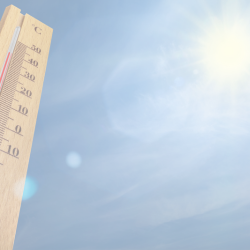
गुढी पाडव्याला नववर्षाचं स्वागत अतिशय उत्साहाने केल्यानंतर चैत्र महिना सुरू होतो. यापुढचे दोन-अडीच महिने संपूर्ण भारतासाठी अतिशय कठीण कालावधी असतो. कारण या काळात असणारा उन्हाळा ! भारत हा उष्ण कटिबंधात असणारा देश. साहजिकच उन्हाळ्याची तीव्रता आपल्या देशात जास्त असतेच. त्यातच गेल्या काही वर्षांत वृक्षतोड, प्रदूषण अशा विविध कारणांमुळे उन्हाळ्याची तीव्रता सरासरीपेक्षा जास्त असल्याचे आढळते. म्हणूनच यापुढचा काळ हा आग ओकणाऱ्या, भाजून काढणाऱ्या सूर्याशी सामना करण्याचा असतो. या संपूर्ण काळालाच ‘ग्रीष्म ऋतू’ असे म्हणतात. खरं तर ग्रीष्माची सुरुवात वैशाखापासून अपेक्षित असते. मात्र, सद्य:काळात हा वैशाखाचा वणवा चैत्रापासूनच भडकायला सुरुवात होते.

ग्रीष्मातील प्रखर, तीव्र सूर्यसंतापामुळे सृष्टी भाजून निघत असते. उष्णतेमुळे तलाव, निर्झर, ओढे आटतात. नद्या कोरड्या पडतात. सर्वत्र रूक्षता वाढायला सुरुवात होते. नेमके हेच चित्र सृष्टीतील घटक असणाऱ्या आपल्या शरीरातही दिसायला लागते. शरीरातील पाण्याचा अंश कमी होऊन रूक्षता वाढायला सुरुवात होते. बाह्य वातावरणाप्रमाणेच शरीरातील उष्णताही वाढते. असह्य उकाड्यामुळे सतत घाम येतो. या घामामुळेही शरीरातील पाण्याचा साठा सतत कमी होत असतो.

थंडीमध्ये घाम न आल्यामुळे शरीरातील उष्णता कोंडली जाते व त्यामुळे पचनशक्ती वाढते. उन्हाळ्यात बरोबर विरुद्ध घटना घडते. सततच्या घामाद्वारे शरीरातील उष्णता बाहेर पडून त्याचा प्रतिकूल परिणाम आपल्या पचनशक्तीवर घडतो. त्यामुळे साहजिकच पचनशक्ती या ऋतूत कमी होते. बाह्य उष्णतेमळे शरीरातील बल कमी होते. त्यामुळे कोणतेही श्रम न करता थकवा, दौर्बल्य जाणवते. शरीरातील रूक्षता वाढत असल्याने वातदोषाचा संचयही या काळात घडत असतो. वाढणारी उष्णता, कमी झालेली पंचनशक्ती, निसर्गत:च होणारी बलहानी, साठणारा वातदोष या सगळ्यांचाच विचार करून या ऋतूतील आहारविहार ठरवायला लागतो.

या दृष्टीने जो काही आहार घ्यायचा तो पचायला हलका हवा. आहारात पोळी, भात, भाकरी यांचा समावेश असावा. भातासाठी लाल तांदूळ, साठेसाळीचा तांदूळ वापरण्यास हरकत नाही. भाकरीसाठी ज्वारी, नाचणी यांचा उपयोग करावा. बाजरी ही त्यामानाने अधिक उष्ण व रूक्ष असल्याने भाकरीकरता बाजरीचा उपयोग टाळलेला बरा ! पोळीसाठी आपण गहू वापरतो. पोळीप्रमाणेच गव्हाचे फुलकेदेखील या ऋतूत जरूर घ्यावेत.

उन्हाळ्यात तिखट, कडवट, तुरट चवीच्या पदार्थांचा वापर कमी करावा. कारण असे पदार्थ शरीरातील रूक्षता अधिकच वाढवतात. शिवाय वातदोषाचा संचयही अशा पदार्थांमुळे वाढतो. त्याऐवजी आहारात गोड, आंबट, खारट पदार्थ अधिक असावेत. कारण हे पदार्थ वातदोष कमी करतात. गोड पदार्थांमुळे या ऋतूत होणारा बलक्षयही टाळला जातो. शरीरातील वाढलेली उष्णताही गोड पदार्थ कमी करतात. या दृष्टीने नुसत्या पोळीपेक्षा साखरेची पोळी किंवा शिऱ्याची पोळी आहारात असावी. भातामध्येसुद्धा साखर-भात, काश्मिरी पुलाव असे प्रकार घेण्यास हरकत नाही. आहारात दूध व दुधापासून तयार होणारे बर्फी, खव्याचे पदार्थ, श्रीखंड, बासुंदी असे गोड पदार्थही जरूर घ्यावेत. मात्र, या ऋतूत पचनशक्ती कमी असल्याने त्यांचे प्रमाण भरपेट असे न घेता थोड्या कमी प्रमाणात घ्यावेत. त्यामुळे पचनशक्तीवर अधिक ताण पडत नाही. गव्हाची किंवा रव्याची खीर, शेवयांची खीर, शिरकुर्म्यासारखे पदार्थ यांचा आहारात वापर उपयुक्त आहे. नुसते मसाला दूध किंवा दूध-साखरसुद्धा जरूर घ्यावे. शरीरातील वाढणारी रूक्षता कमी करण्यासाठी दुधाप्रमाणेच उपयोग होतो तो ‘साजूक तुपाचा’ ! म्हणूनच या ऋतूमध्ये जेवणात नुसते तूप किंवा तूप- गूळ यांचा उपयोग करावा. तुपामुळे पचनशक्ती वाढते. सर्व शरीराला ताकद मिळते. अंगात वाढणारी उष्णता कमी होते. शरीरातला वातदोषही कमी होतो. दोन्ही जेवणांत किमान दोन ते चार चमचे साजूक तपाप्रमाणेच लोणी, साय-साखर असे पदार्थही आहारात असावेत.

डॉ . मयुरेश आगटे

सूचना : हा आहार आयुर्वेदाचा विचार करून तयार केला आहे.  कोणत्याही प्रकारचा आजार असलेल्या व्यक्तींनी ह्या आहाराचा अवलंब करण्यापूर्वी वैद्यकीय सल्ला घ्यावा.

Grishma Rutu

Grishma Rutu

After celebrating the new year with great enthusiasm on Gudhipadwa, the month of Chaitra starts. The next two months are a very difficult period for the whole of India as we experience summer in this period. As India is a tropical country, the intensity of summer is more here. In addition to this, in the last few years, due to deforestation and pollution, the summer has become hotter than ever before. Therefore, in this approaching summer, we have to face the fire-burning, scorching heat of the sun. This season is called Grishma Rutu. Ideally, Grishma Rutu is expected to start in the month of Vaishakh. However, now a days this blazing summer starts earlier, from the month of Chaitra.

The intense heat of the sun in Grishma Rutu heats up the entire nature. It makes lakes, ponds, and streams shrink and rivers dry up. We experience an increase in dryness in nature. The same effect is felt in our bodies. Naturally, the water content in the body also decreases and the dryness starts to increase. As the heat in the environment increases, it also increases our body heat. This unbearable heat causes constant sweating. Due to this sweat, the water level in the body is further reduced.

In winter, we don’t experience sweating, and therefore, the heat in the body is trapped. This increases the digestive power in the body. In summer, it is the exact opposite. Constant sweating removes the heat from the body which has an adverse impact on the digestive power. Naturally, the digestive power is reduced in this season. The strength of the body also goes down due to the heat in the environment. Hence, we feel tired and weak even when we are not working hard. As the dryness in the body increases, the Vaat dosha starts accumulating. Therefore, our diet in this season needs to be determined, considering various factors such as increasing heat, reduced digestive power, reduced strength, and accumulation of Vaat dosha.

Considering all this, our diet should be easy to digest. We can include wheat roti, rice, Bhakari(Jowar roti) in our diet. There is no harm in using Red rice, Sathesali rice. We can use Jowar or Ragi(Nachani)  for making Bhakari. Bajra is considered hot and dry and is therefore better avoided. We can use wheat for making chapati. Like chapati, we should consume Fulka made of wheat in this season.

In summer, spicy, bitter and Turat(Taste of Amla is turat) foods should be consumed in less quantity, as these foods increase dryness and accumulation of Vaat dosha in our body. Instead, we should consume more sweet, salty and sour foods. These foods reduce Vaat dosha accumulation. Loss of strength in our body due to the summer heat can be avoided by consuming sweet foods. They also help to reduce the heat in the body. Considering this, instead of regular roti we can eat sugar roti, Sheera roti(roti stuffed with Suji halwa). We can consume rice dishes like sugar-rice, Kashmiri pulao. In our diet, we can consume foods made of milk and dishes prepared using milk or khoya like Barfi, Shrikhand and Basundi. However, these should be consumed in less quantity as the digestive power is weak in this season. By doing so, we can reduce the additional load on the digestive system. It is beneficial to include Kheer or Sheerkurma made from Vermicelli(Semiya), wheat, Suji. We can consume milk with sugar or masala milk(milk with dry fruits). Like milk, pure ghee also helps to reduce the dryness in our body. Hence, we should use pure ghee or ghee with jaggery. Pure ghee increases the digestive power and gives strength to the entire body. It also helps to reduce the heat and Vaat dosha in our body. We can include two to four spoons of pure ghee, butter as well as cream with sugar in our meals.

Dr Mayuresh Aagte

Please Note: The recommended diet takes Ayurveda into consideration. Individuals with any form of illness should seek medical advice before adopting the diet.

गुढीपाडवा

Gudi Padwa

रंगपंचमीच्या विविध रंगांत न्हाऊन निघाल्यानंतर आपल्या सगळ्यांना वेध लागतात ते नववर्षाच्या स्वागताचे ! भारतीय परंपरेप्रमाणे नवीन वर्षाचा पहिला दिवस म्हणजे चैत्र शुद्ध प्रतिपदा म्हणजेच ‘गुढीपाडवा’ ! या दिवशी गुढीच्या रूपात नववर्षाच्या पहिल्या सूर्याचे स्वागत केले जाते. सकाळी लवकर उठून कडूनिंबाची पाने व साखरेची गाठी बांधलेली गुढी उभारून आपण नववर्षाचा पहिला दिवस साजरा करतो आणि या आनंदात भर घालतो, पाडव्याच्या दिवशीचा घरातला एखादा गोड पदार्थ !

गुढीपाडव्याची ही परंपरा आपण शतकानुशतके पाळत आहोत. या परंपरेचा विचार करताना सहज लक्षात आलं की नववर्षाचं स्वागत करण्याची आपली परंपरा आणि इतर जगाची परंपरा यात प्रचंड फरक आहे. ३१ डिसेंबरला ‘ज्या’ पद्धतीनं नवीन वर्षाचं स्वागत केलं जातं, तसं करणं आमच्या संस्कृतीलाही शक्य नव्हतं का ? एरवी आपण कोणाचंही स्वागत कडू पदार्थाने केल्याचं आठवत नाही. मग ज्याच्यावर संपूर्ण सृष्टीचक्र अवलंबून आहे, अशा सूर्याच्या स्वागताला साखरेच्या गाठींबरोबर कडू चवीचा कडूनिंब का वापरतात ? असा पदार्थ आपण इतर कोणत्याच सणावाराला वापरत नाही. मग नेमक्या गुढीपाडव्याला-वर्षाच्या पहिल्या दिवसाला असं आपण शेकडो वर्षं का करत आहोत ? जेव्हा अशा प्रश्नांची उत्तरे शोधण्याचा प्रयत्न सुरू केला, त्या वेळी त्याचे उत्तर सापडले ‘आयुर्वेदात !’

कारण गुढीपाडव्याची अशी परंपरा निर्माण करतानासुद्धा आरोग्याचा विचार प्रामुख्याने केला आहे. शरीर निरोगी असेल, तरच नववर्षाचे स्वागत आणि नववर्षाची सुरुवात आनंदाने करता येईल. ही सुरुवात निरोगी, आरोग्यदायी करण्याच्या दृष्टीनेच कडूनिंब, साखर या पदार्थांची गुढीमध्ये वर्णी लागली. गुढीपाडव्याच्या निमित्ताने

या परंपरेमागचे शास्त्रीयत्व आपण पाहणार आहोत:

चैत्रातल्या या प्रतिपदेपर्यंत सूर्याचे उत्तरायण सुरू होऊन बराच काळ लोटलेला असतो. साहजिकच आता उन्हाची तीव्रता जाणवत असते. आगामी दोन-अडीच महिने ही तीव्रता अधिकच वाढणार असते. या वाढणाऱ्या उष्णतेचा सृष्टीतीलच एक घटक असणाऱ्या आपल्या शरीरावरही परिणाम घडतो. त्यामुळे वातावरणातील उष्णतेबरोबरच अंगातील उष्णताही वाढते. यातूनच अंगाची लाही होणे, उष्णतेमुळे घामोळ्या येणे किंवा अंगावर पुरळ उठणे अशा अनेकविध तक्रारी निर्माण होतात. शरीरात वाढणारी उष्णता रक्तालाही बिघडवण्याची शक्यता असते. यातूनच पिंपल्स, गळू होणे, उन्हामुळे नाकातून किंवा अन्य मार्गातून रक्तस्राव होणे असे त्रास होण्याची शक्यता असते. उन्हाळ्यात भूकही मंदावलेली असते. या सगळ्या आरोग्यास बाधा आणणाऱ्या प्रश्नांवर उत्तम उत्तर असते, ते म्हणजे ‘कडूनिंब’ !

कडू चवीचा कडूनिंब थंड गुणाचा असल्याने उष्णतेच्या सर्वच विकारांवर उत्तम औषध आहे. म्हणूनच चैत्र, वैशाख या उन्हाळ्याच्या काळात त्याचा वापर करावा. कडूनिंबाचे चूर्ण अंगाची आग कमी करते. रक्त शुद्ध करणारे उत्तम औषध असल्याने त्यामुळे त्वचेवर उठणारे फोड कमी होतात. घामोळ्यांमुळे होणारी आग कडूनिंब कमी करतो. त्याचप्रमाणे त्वचेला खाज सुटत असल्यासही त्याचा चांगला उपयोग होतो. उष्णतेमुळे शरीरातून रक्तस्राव होत असल्यास तो त्वरित थांबवण्याची ताकद कडूनिंबात आहे. कडूनिंबाचा यकृतावरसुद्धा चांगला परिणाम होतो. त्यामुळे यकृताचे कार्य सुधारून या काळात निसर्गत:च कमी होणारी भूक वाढण्यास उपयोग होतो. पोटात आग पडणे, अम्लपित्त या आजारातही त्याचा उपयोग होतो. उन्हाळ्यात अनेकदा अन्न बाधते. विशेषतः बाहेरचे पदार्थ खाल्ल्यावर असा त्रास अधिक होतो. असा त्रास कमी करण्याकरताही कडूनिंब उपयुक्त आहे. म्हणूनच या काळात त्याचे महत्त्व आहे.

गाठींमध्ये असणारी गोड चवीची साखरसुद्धा कडूनिंबाच्या कामाला उपयुक्त ठरत असते. या साखरेच्या गोडव्यामुळे शरीराचा थकवा दूर केला जातो. साखरेची गाठी चघळल्याने तोंडाला कोरड पडणे, वारंवार तहान लागणे अशी लक्षणेही कमी होतात. साखरेचा गोडवा शरीरातील सर्व पेशींना टवटवीतपणा आणतो. कडूनिंबामुळे शरीरात वातदोष वाढण्याची शक्यता असते. साखरेमुळे त्याचा प्रतिबंध होतो. खरं तर गोड पदार्थ पचायला जड असतात, पण साखर गोड असूनही त्याला अपवाद आहे. म्हणूनच या ऋतूमध्ये तिचे सेवन त्रासदायक ठरत नाही. या सगळ्या आरोग्यदायी घटकांचा विचार ‘गुढी’च्या परंपरेत आहे. आपल्या अशा सगळ्याच परंपरा शतकानुशतके टिकून आहेत. कारण त्याला शास्त्रीय आधार आहे म्हणून !

डॉ . मयुरेश आगटे

Gudhipadwa

Gudi Padwa

After getting drenched in various colors of Rang Panchami, we look forward to welcoming the New Year! According to Indian tradition, the first day of the new year is Chaitra Shuddha Pratipada i.e. ‘Gudhi Padwa’! On this day, we welcome the sun on the first day of the year in the form of Gudhi . We wake up early in the morning and celebrate the first day of the new year by hoisting a Gudhi tied to Neem leaves and Gathi(sugar crystal garland). The sweet food made at home adds joy to the celebration on this auspicious day of Padwa!

We have been following this tradition of Gudhi Padwa for centuries. One can observe that there is a huge difference in the way we welcome the new year as opposed to how the rest of the world does. Why doesn’t our culture celebrate the new year on December 31st, just like many others do? Traditionally, we never welcome anyone with bitter food. Then why do we use Neem, which is bitter in taste, and Gathi (sugar crystals) to welcome the sun, on which nature’s cycle depends? Such food is not prepared on any other festivals. Then why have we been doing this for hundreds of years on the first day of Gudhi Padwa? Our search for answers to these questions led us to discovering them in Ayurveda.

The tradition of Gudhi Padwa was created keeping our health in mind. Only if our bodies are healthy, we can celebrate the new year happily. To give our year a healthy and disease-free start, foods such as Neem leaves and Gathi are used. On the occasion of ‘Gudhi Padwa’, let’s explore the science behind this tradition.

By this Pratipada in Chaitra, it has been a long time since the uttarayan(Summer solstice) of the sun has started. Naturally, we now feel the intensity of heat. During the next two-and-a-half months, this intensity goes up. Our body, being a part of nature, also gets affected by this heat. Our body heat increases with the heat in the atmosphere. This leads to multiple problems like feeling hot, heat rashes or skin rashes. The increasing heat can affect(spoil) our blood as well. It can cause problems like pimples, blisters, bleeding from nose. Our appetite goes down in summer. The best solution to all these issues is ‘Kadunimb’(Neem).

Since bitter-tasting Neem has a cooling quality, it is a great medicine for all heat related diseases. Therefore, it should be used during the summer months of Chaitra and Vaishakh. Neem powder reduces the heat of the body. Since it is a good blood purifier, it reduces blisters on the skin. It also reduces irritation caused by prickly heat. Similarly, it is also useful in problems like itchy skin. If heat causes bleeding from the body, it has the power to stop it immediately. Neem also has a good effect on the liver. It improves the function of the liver as well as increases appetite which is naturally reduced during this season. It is useful for reducing burning sensation in stomach and acidity. 

In summer, many a times we experience stomach upset/indigestion . We especially experience more when we eat outside food. Neem is helpful with such problems. Hence, ‘Kadunimb’ is important in this period.

The sweet-tasting sugar present in the Gathi(sugar crystals) is also helpful along with Kadunimb(Neem).The sweetness in sugar helps to reduce the fatigue of the body. Chewing the Gathi helps with problems such as dry mouth and frequent thirst. The sugar’s sweetness refreshes all the cells in the body. The Kadunimb(Neem) can increase the Vaat dosh in body. However, the sugar helps to prevent it. Generally, sweet foods are heavy to digest. However, sugar is an exception, though it is sweet. Hence, consuming it in this season is beneficial. All these factors about our health have been considered in this tradition of ‘Gudhi’. All our traditions have survived for centuries because they have scientific basis.

Dr Mayuresh Aagte